

No products in the cart.
EQUESTRIAN DREAMS IN SWITZERLAND
A Slower Way Through the Landscape
There are easier ways to move through Switzerland.
Faster ones, too.
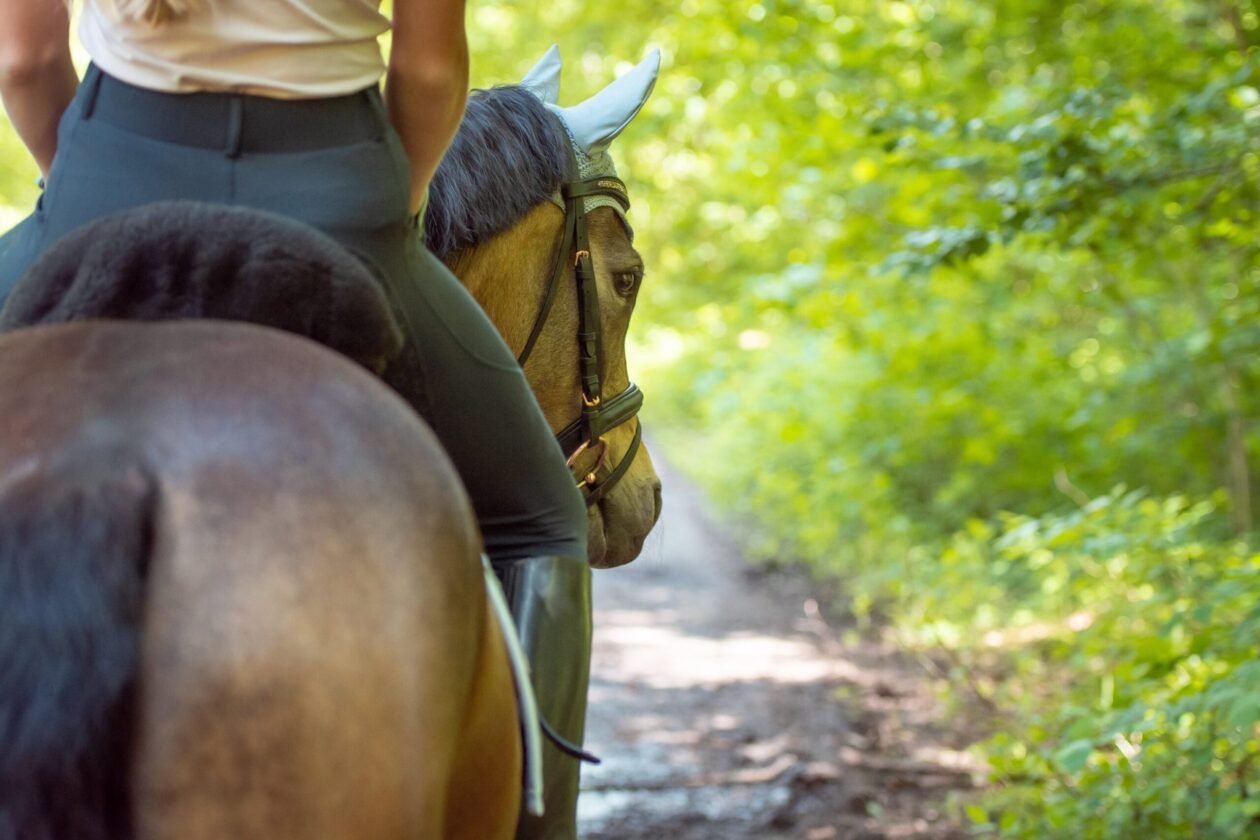
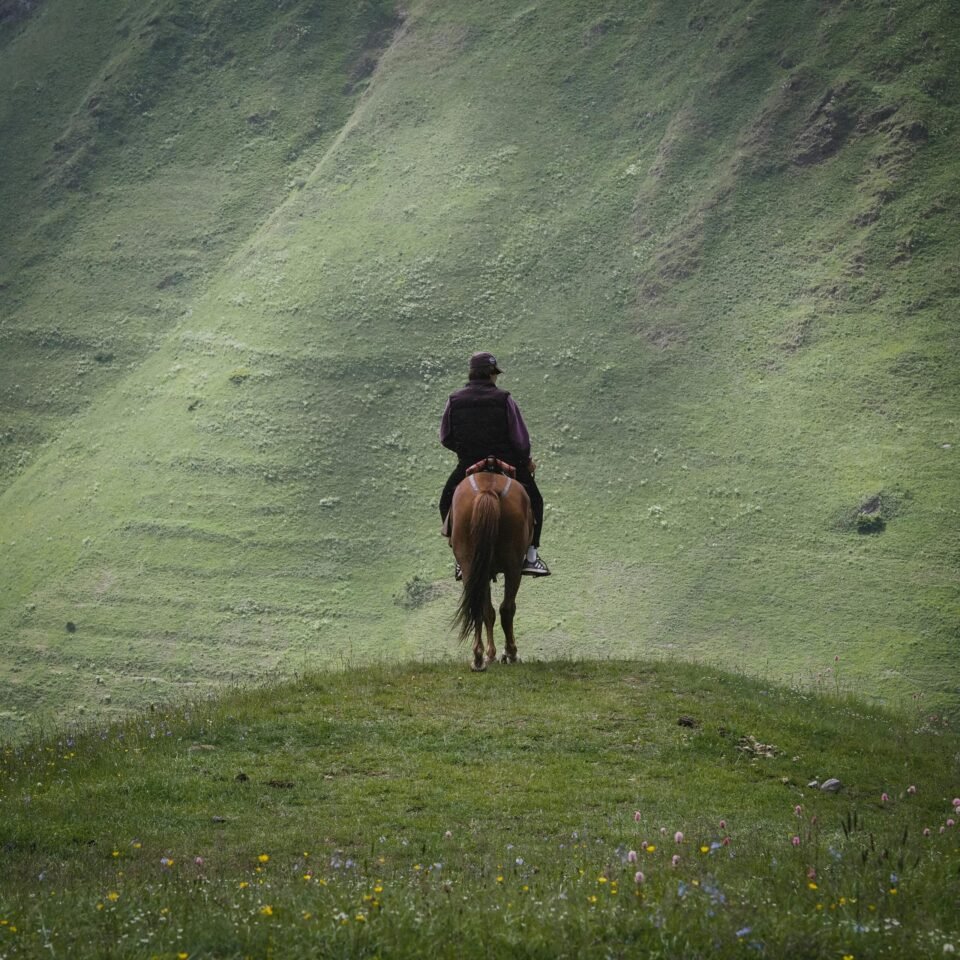
But very few allow you to feel the landscape quite like a horse beneath you — the rhythm of hoofbeats, the hush between trees, the gradual opening of a valley that does not reveal itself all at once.
Horse riding in Switzerland is not only about scenery. It is about tempo. A different relationship to distance. A more grounded way of traveling through a place that is too often reduced to viewpoints and postcards.
For those drawn to a quieter, more tactile kind of journey, this is one of the most beautiful ways to experience the country: slower, lower to the ground, and closer to its textures.
Why Ride in Switzerland
Switzerland is often experienced through trains, mountain lifts, and scenic overlooks. Horseback travel offers something else entirely.
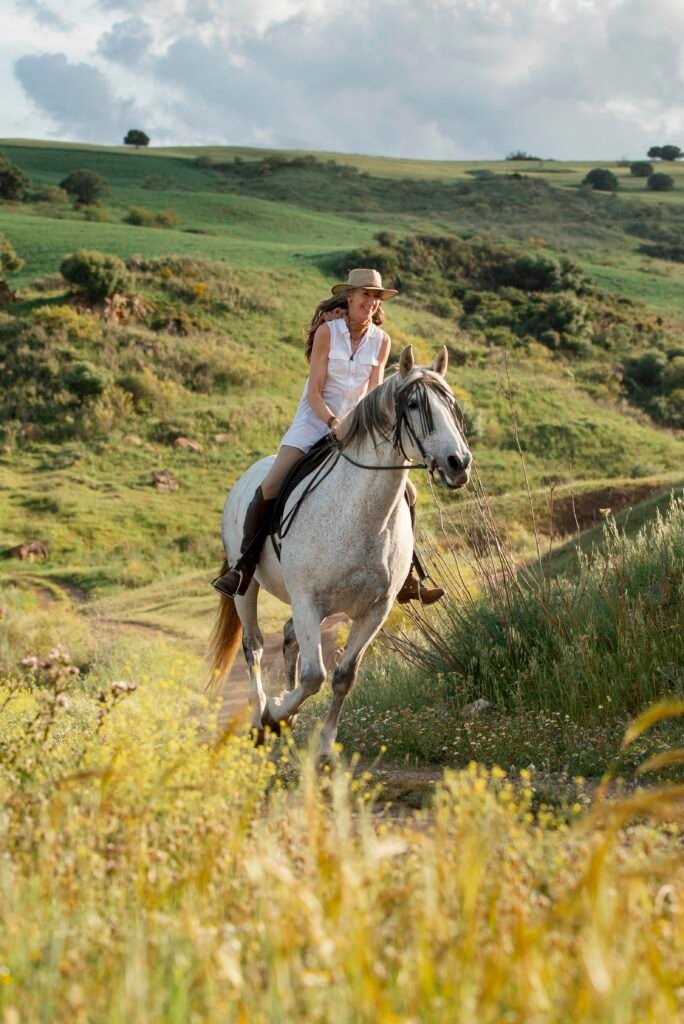
It lets you enter the landscape rather than simply admire it.
You begin to notice the trail beneath you, the subtle shift in weather, the scent of pine or dry grass, the changing light across open pasture. Even silence feels different on horseback — less empty, more alive.
There is something quietly restorative in the pace itself. Riding asks you to move with attention. To adjust. To slow down enough for a place to register fully.
At that speed, the country begins to feel less like a view and more like a living place.
Where to Go
1. Val Müstair and the Lower Engadin, Graubünden
Alpine Riding at the Far Edge of Switzerland
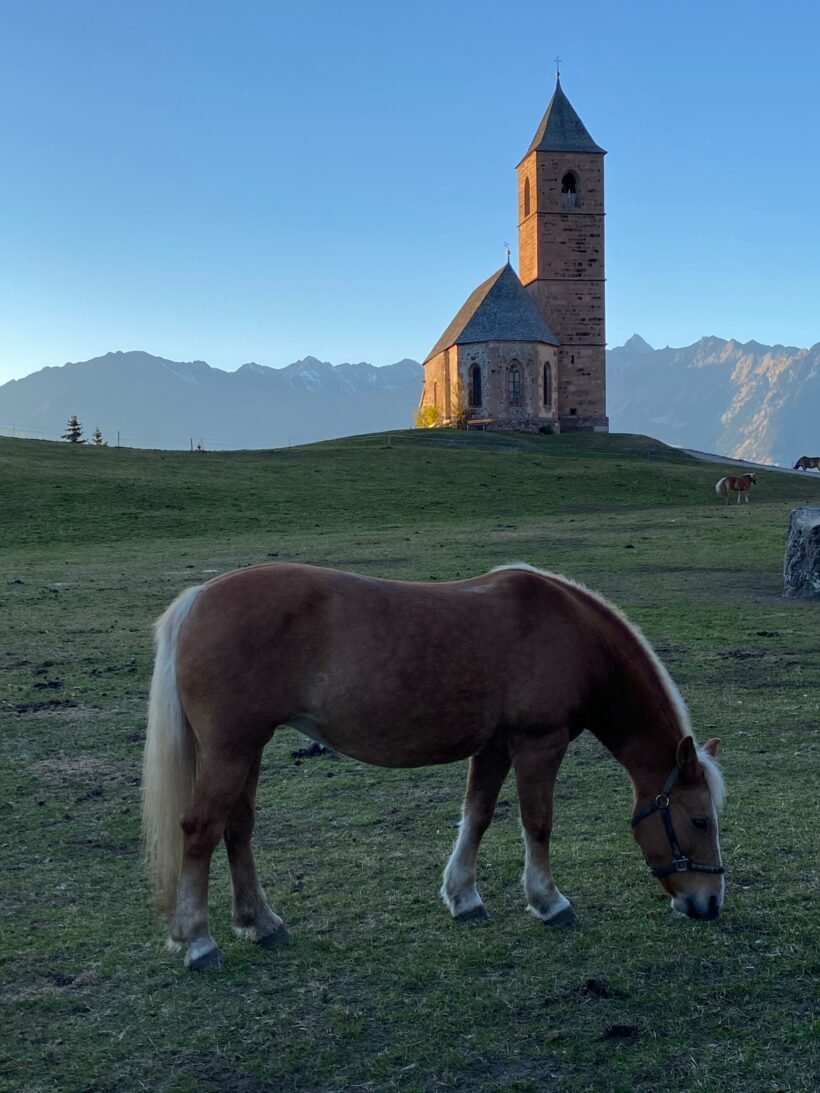
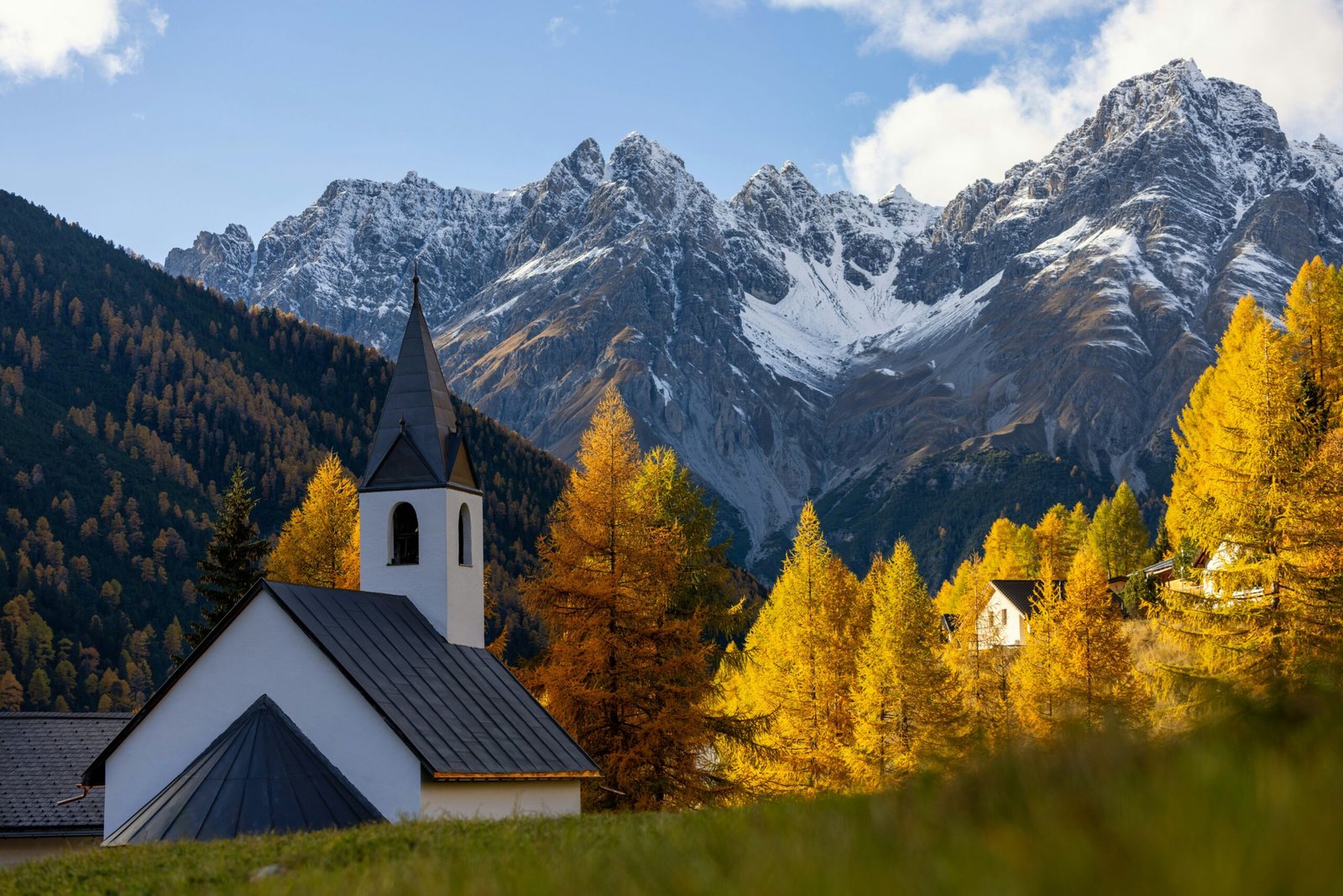
At the far eastern edge of Switzerland, Val Müstair feels naturally suited to travel on horseback. The landscape is spacious and unhurried, shaped by larch forests, high meadows, working farms and old mountain routes leading towards the Ofen Pass and the Swiss National Park.
Riding here can take several forms. There are gentle introductory outings, lessons centred on communication and balance, and longer journeys where several hours in the saddle allow the landscape to reveal itself gradually. What connects them is a sense of closeness—to the horse, to the terrain and to a region that still feels distinctly agricultural.
PACLERAHOF RIDING FARM
Paclerahof combines riding, horse breeding and agrotourism within a working farm setting. Guided rides are available for both beginners and more experienced riders, making it a useful choice for couples or families travelling with different levels of confidence.
The farm also offers accommodation for visitors bringing their own horses. This opens the possibility of staying in the valley and exploring its riding routes independently, rather than treating the experience as a single scheduled excursion.
Paclerahof is particularly appealing for travellers interested in the everyday culture surrounding horses—the stables, breeding, farm life and practical rhythms that continue beyond the ride itself.
RIDING SCHOOL IRIS HAUSCHILD
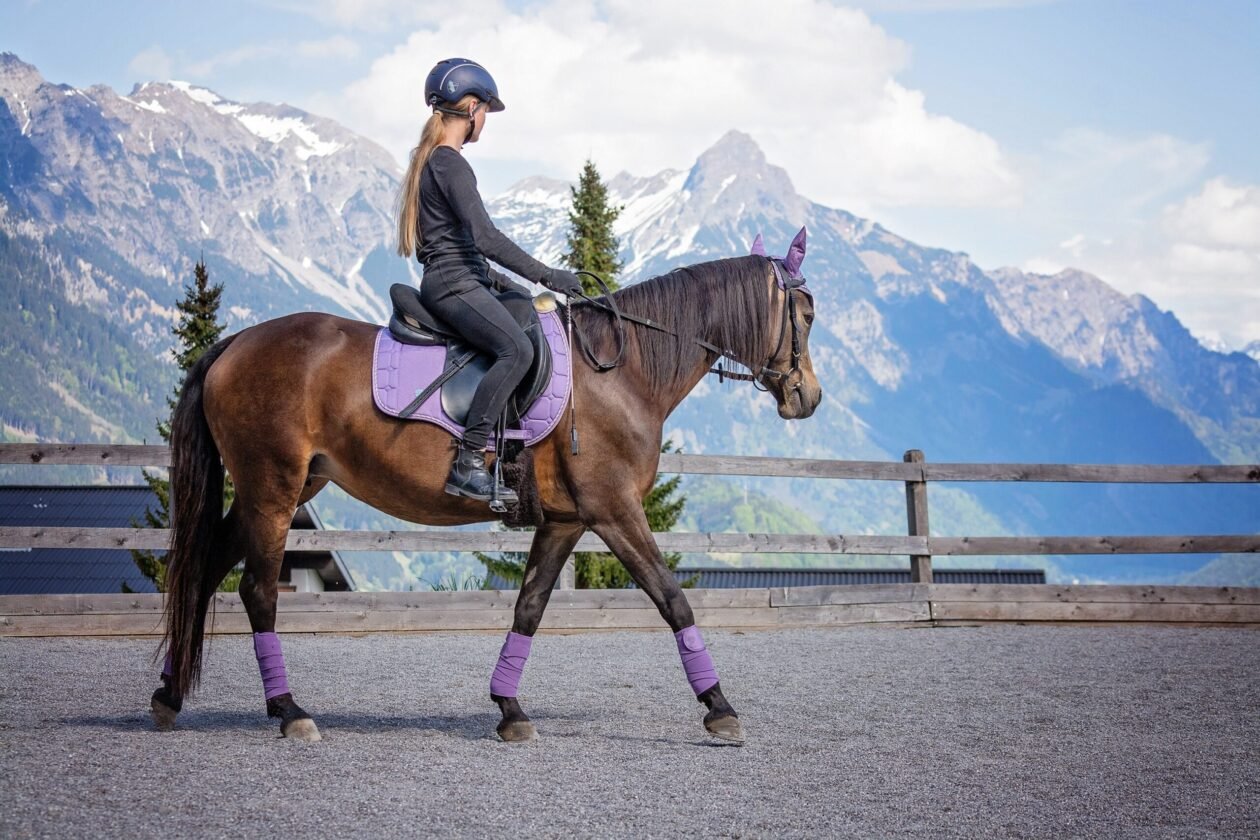
Iris Hauschild offers a more intimate and considered approach to working with horses. Alongside conventional riding lessons, the programme includes bodywork with horses and the Academic Art of Riding, a tradition focused on balance, communication and the considered development of both horse and rider.
This is less about covering distance and more about attention. It may suit travellers who are curious about equestrian practice but do not necessarily want to undertake a long trail ride, as well as experienced riders interested in deepening their understanding of movement and partnership.
The experience offers another way into Val Müstair: not through speed or spectacle, but through the quieter exchange between horse and rider.
SAN JON, SCUOL
For those drawn to riding through the wider landscapes of the Engadin and Val Müstair, San Jon near Scuol makes a compelling starting point. Its offers range from shorter outings to full-day and multi-day treks—the kind of journeys that allow this part of eastern Switzerland to reveal itself at a more natural pace.
Longer routes may pass through woodland, alpine pasture and higher mountain terrain before continuing towards Val Müstair. Riders can spend much of the day outdoors, carrying what they need and occasionally dismounting where the trail becomes steep or uneven.
This is horseback travel rather than a brief recreational ride. Weather, elevation and the condition of the route all shape the experience, and the journey becomes as important as the destination.
The longer excursions are best suited to confident riders who are comfortable controlling a horse independently and spending several hours in the saddle. Shorter options make the landscape accessible to those with less experience.
WHICH EXPERIENCE TO CHOOSE
Choose Paclerahof for a farm-based stay, mixed riding levels or travel with your own horse.
Choose Iris Hauschild for lessons, body awareness and a more reflective approach to horsemanship.
Choose San Jon for full-day or multi-day riding through the Engadin and towards Val Müstair.
WORTH KNOWING
Experience requirements vary considerably. A beginner-friendly farm ride is very different from a full-day mountain trek, so riders should describe their ability honestly when booking.
For longer routes, bring layered clothing, rain protection and sturdy footwear suitable for walking beside the horse. Mountain conditions can change quickly, even during summer.
TOUR NOIR NOTE
Val Müstair offers more than one version of an equestrian escape. It can be a farm stay, a lesson in communication or a journey across high terrain. The strongest experience is not necessarily the longest one, but the one that matches the rider’s ability and allows genuine attention to the horse, the landscape and the pace of the valley.
2. JURA VAUDOIS AND THE FRANCHES-MONTAGNES
Wooded Foothills, Open Pastures, and a Deep-Rooted Horse Culture
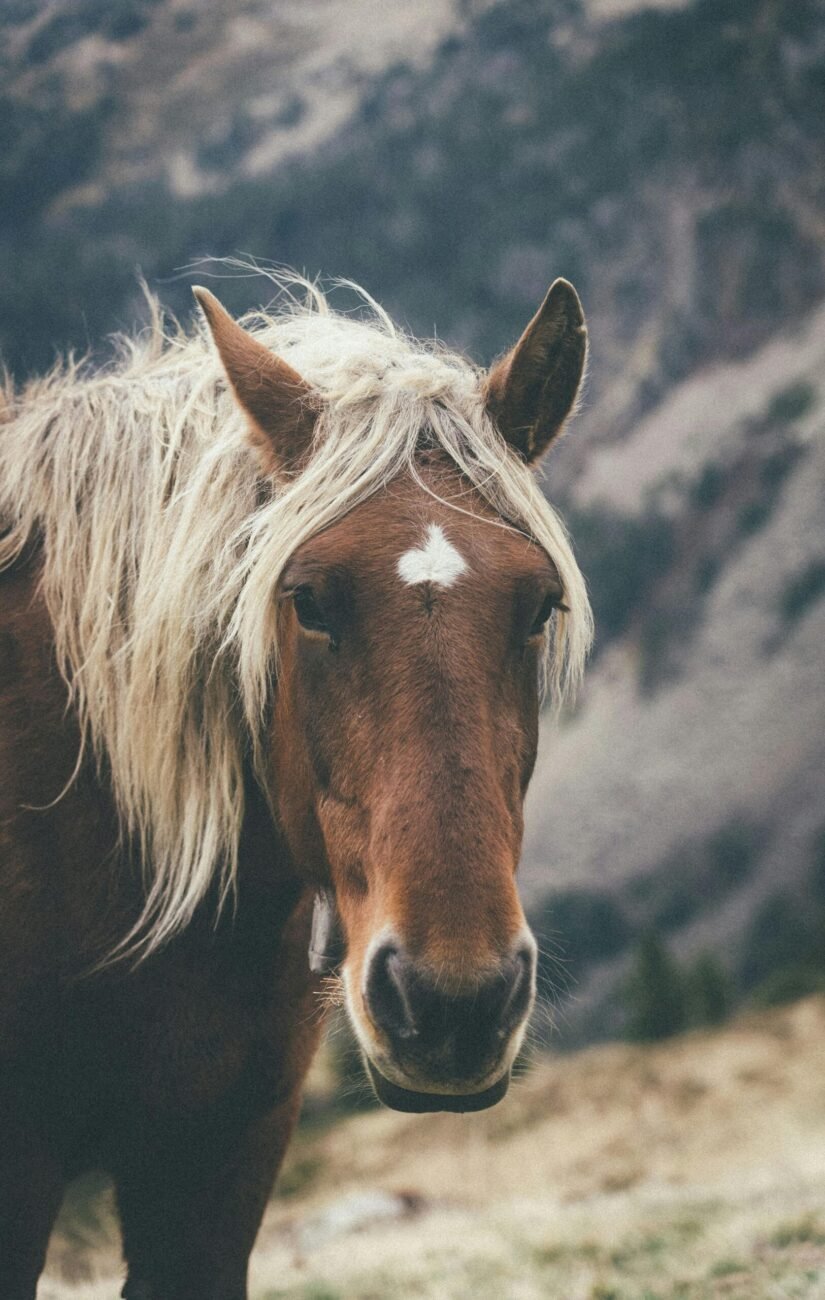
The Jura offers a gentler form of riding than Switzerland’s high-alpine regions. Trails move through pasture, woodland and rolling limestone country, where farms and small villages remain closely connected to the landscape.
Yet the Jura is not a single riding destination. In the Jura Vaudois, experiences tend to be accessible and locally focused, with shorter outings and established riding schools within reach of Lake Geneva. Farther north, in the Franches-Montagnes and the wider canton of Jura, horses are part of the region’s identity. Here, an extensive network of riding trails makes longer journeys possible.
THE JURA VAUDOIS
At Ranch Zangalisa in St-George, the setting is shaped by the wooded foothills of the Jura. Rides, hikes and small-group activities offer a relaxed introduction to the landscape, making it a natural choice for travellers looking for an experience that feels personal rather than highly structured.
Nearby, Manège de Begnins represents a more established equestrian tradition. Its riding school and pony club sit in green countryside above Lake Geneva, offering lessons and activities within relatively easy reach of the lakeside towns.
The Jura Vaudois is especially appealing for riders who want to combine a countryside experience with a wider stay around Lake Geneva. The riding may be less remote than in the upper Jura, but the contrast between forested slopes, vineyard country and distant lake views gives the area its own character.
THE FRANCHES-MONTAGNES AND THE WIDER JURA
Farther north, the relationship between horses and landscape becomes more pronounced. The Franches-Montagnes is known for its broad pastures, forest tracks and long equestrian tradition. More than 1,000 kilometres of marked and equipped riding trails extend across the wider Jura, allowing rides to develop into full-day outings or multi-stage journeys.
Ecurie Double C in La Chaux-des-Breuleux is a useful starting point for guided rides and longer excursions through the Franches-Montagnes. Its location places riders directly within the open pasture landscape for which the region is known.
At Mas du Sapin in Fornet-Dessous, the emphasis is better suited to experienced riders interested in a more sustained trekking rhythm. Rather than treating riding as a brief activity, the surrounding countryside invites longer days shaped by distance, terrain and changing weather.
In the Haute-Sorne and Terbi area, Wanderreiten Jura takes a trail-focused approach, while La Louvière in Chevenez offers a local point of contact for riders exploring Ajoie. These smaller operators are best approached directly, as routes, availability and rider requirements may vary by season.
WHICH AREA TO CHOOSE
Choose the Jura Vaudois for shorter rides, riding lessons and countryside experiences that can be combined with a stay around Lake Geneva.
Choose the Franches-Montagnes for open pasture, established horse culture and longer rides through the heart of the Jura.
Choose the wider canton of Jura for smaller operators, locally organised excursions and routes that feel more exploratory.
WORTH KNOWING
The quieter appearance of the Jura should not be mistaken for effortless riding. Longer routes may cross uneven forest tracks, agricultural land and exposed pasture, while conditions can change quickly after rain.
Ask operators about the required riding level, the expected time in the saddle and whether parts of the route involve leading the horse on foot. For multi-day travel, confirm luggage arrangements, horse accommodation and whether overnight stays are included or booked separately.
TOUR NOIR NOTE
The Jura is less about dramatic elevation than continuity: pasture following forest, farms appearing between stretches of trail, and horses remaining part of the working landscape. It is the right choice when the pleasure lies not in reaching a single viewpoint, but in spending time inside the countryside.
3. Entlebuch Biosphere, Lucerne Region
Riding Through the Wilder Side of Lucerne
Entlebuch has a different texture from the softer pastures of the Jura. The landscape is more rugged and irregular, shaped by moorland, forest, steep green slopes and working farms. Riding here feels connected to the wider ecology of the UNESCO Biosphere rather than added to it as a separate visitor activity.
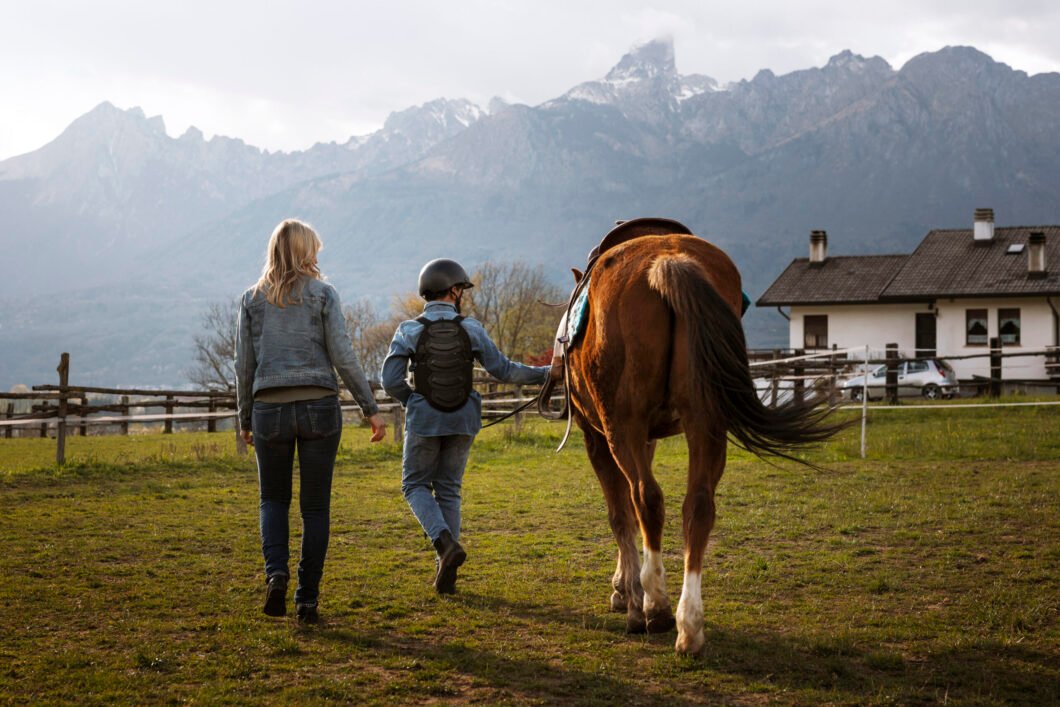
Around Sörenberg and Schüpfheim, experiences range from lessons and shorter excursions to full-day and multi-day treks. This makes Entlebuch particularly appealing for families and mixed-ability groups, as well as riders looking for a longer journey through the landscape.
STUCKI-TREKKING, SÖRENBERG
Stucki-Trekking offers guided rides ranging from half-day outings to journeys lasting up to two days. Routes lead through the countryside surrounding Sörenberg, with longer experiences shaped by the terrain, weather and the natural rhythm of the horses.
Groups are kept small, making the experience feel personal and closely guided. Depending on the ride and conditions, a day may include a simple outdoor lunch or a pause beside the trail rather than a formal tourist stop.
Reservations are required, and riders should ask directly about the level of experience needed for each route. A half-day trek and a two-day journey place very different demands on both horse and rider.
OTHER RIDING EXPERIENCES
The wider biosphere includes riding schools, carriage outings, children’s camps and therapeutic or educational experiences with horses. Around Schüpfheim and Marbach, these smaller offers provide alternatives for travellers who are not ready for a longer trek or who are visiting with children.
Rather than listing every stable, it is best to contact the UNESCO Biosphere Entlebuch visitor office for current recommendations suited to the riders’ ages, experience and preferred length of outing.
BEST FOR
Families, small groups and riders who want their experience to feel connected to a broader natural landscape.
WORTH KNOWING
Entlebuch’s green, pastoral appearance can be deceptive. Trails may be wet, uneven or steep, particularly after rain. Bring layered clothing, waterproof outerwear and footwear suitable for walking beside the horse when required.
Ask before booking about:
- the expected time in the saddle
- the riding level required
- age or weight restrictions
- group size
- whether helmets are supplied
- arrangements in poor weather
TOUR NOIR NOTE
Entlebuch is the right choice when horseback riding is only one part of the encounter. Moorland, farms, woodland and changing weather remain present throughout the day, giving the ride a stronger sense of place.
4.VALAIS FROM SION TO THE HIGH VALLEYS
Multi-Day Riding Between the Rhône, Alpine Villages, and Glaciers
Valais offers a more ambitious kind of horseback journey. From the sunlit slopes above Sion, routes move across the Rhône plain before climbing towards Val d’Hérens, Val d’Anniviers and the higher alpine landscapes beyond.
This is not riding arranged around a single viewpoint. The longer journeys are shaped by distance, changing terrain and the gradual transition from vineyards and valley floor to mountain villages, pasture and glacial country.
RANCH DES MARAGNÈNES
Set on the hillside above Sion, Ranch des Maragnènes is a family-run farm combining equestrian activities, accommodation, meals and local produce. It makes a practical starting point for riders who want the journey to extend beyond a short outing.
The ranch organises a broad programme of guided treks. Shorter options include day rides into Val d’Hérens and two-day journeys along the Rhône. More demanding itineraries continue from Sion towards Ferpècle, travel between village guesthouses in Val d’Hérens, cross alpine terrain towards Val d’Anniviers, or unfold over several days through the high valleys.
The scale of the landscape changes along the way. A route may begin near the valley floor, pass through orchards or forest, and then climb gradually into a more exposed mountain environment. On the longer treks, accommodation in simple inns or guesthouses becomes part of the experience, giving the journey a rhythm of departure, movement and arrival.
WHO THESE RIDES SUIT
Most of the longer routes are intended for riders who are already confident in the saddle. Several require a good level of endurance as well as the ability to ride independently at walk, trot and canter.
Some mountain itineraries are travelled mainly at a walk because of the terrain. Riders may also need to dismount and lead their horses on steep or difficult sections. The pace may appear slower, but the physical demands can still be considerable.
This is therefore not the best choice for someone seeking a first introduction to horseback riding. It is better suited to established riders who want the ride itself to become the central journey.
WHICH EXPERIENCE TO CHOOSE
Choose a one-day ride into Val d’Hérens for a first encounter with the region’s mountain landscape.
Choose a two- or three-day route along the Rhône for a journey with more varied pace and greater distances.
Choose the route from the river to the glacier for a clear transition from the valley floor into higher alpine terrain.
Choose a five-day trek through Val d’Hérens for village-to-village travel and overnight stays along the route.
Choose the crossing between Val d’Hérens and Val d’Anniviers for a more demanding high-mountain experience.
BEST FOR
Confident riders, travellers seeking a genuine multi-day trek, and those drawn to the contrast between the Rhône Valley and the higher landscapes of Valais.
WORTH KNOWING
Scheduled departures are limited, and several summer treks may fill well in advance. The ranch can also organise additional departures when a minimum group size is reached.
Before booking, ask about:
- the exact riding level required
- daily hours in the saddle
- the amount of walking beside the horse
- luggage transfer arrangements
- accommodation and meals
- language of instruction
- weather-related changes to the route
Bring layered clothing, waterproof protection and footwear suitable for both riding and walking on uneven ground.
TOUR NOIR NOTE
Valais is the strongest choice for riders who want scale, progression and a clear sense of journey. The landscape changes slowly beneath the horse—from the Rhône plain to villages, high pasture and glacier-fed valleys—and the distance between those worlds becomes part of the experience.
HOW TO CHOOSE THE RIGHT REGION
Not every equestrian journey in Switzerland needs to involve steep alpine terrain or several days in the saddle. The most rewarding choice is usually the one that matches the rider’s experience with the character of the landscape.
Choose Val Müstair and the Lower Engadin for remoteness, high-country trails and longer journeys.
Choose the Jura Vaudois for shorter rides, wooded foothills and easy access from the Lake Geneva region.
Choose the Franches-Montagnes and wider Jura for open pasture, deep-rooted horse culture and an extensive trail network.
Choose Entlebuch for biosphere landscapes, small guided groups and experiences suited to both families and established riders.
The best experience is rarely the most dramatic. It is the one in which the horse, rider, terrain and length of journey are properly matched.
WHAT TO BOOK EARLY
When riding is the central reason for the trip, reserve it before arranging the rest of the itinerary.
Early booking is particularly important for:
- half-day and full-day guided rides
- multi-day treks
- weekends and school holidays
- family or mixed-level groups
- travellers requiring instruction in English
- small operators with only a limited number of suitable horses
When making an enquiry, give an honest account of each rider’s experience. Explain whether you are comfortable riding independently at walk, trot and canter, and mention the ages, heights and approximate weights of all participants when requested.
WHAT TO PACK
Pack for changing weather and for time both in and out of the saddle.
Bring:
- comfortable, close-fitting layers
- a lightweight waterproof jacket
- sturdy riding boots or walking shoes with a defined heel
- sun protection
- riding gloves, when preferred
- a reusable water bottle
- a small snack
- any required medication
Avoid loose scarves, large backpacks and clothing that may catch on tack or branches. Ask whether helmets are provided before bringing your own.
For an overnight trek, add:
- one warm evening layer
- a compact change of clothes
- personal toiletries in small containers
- a lightweight day bag, when permitted
- a portable charger
- rain protection for personal belongings
Luggage arrangements vary. On some journeys, riders carry only essentials in saddlebags; on others, larger bags may be transferred separately.
A CLOSER WAY THROUGH SWITZERLAND
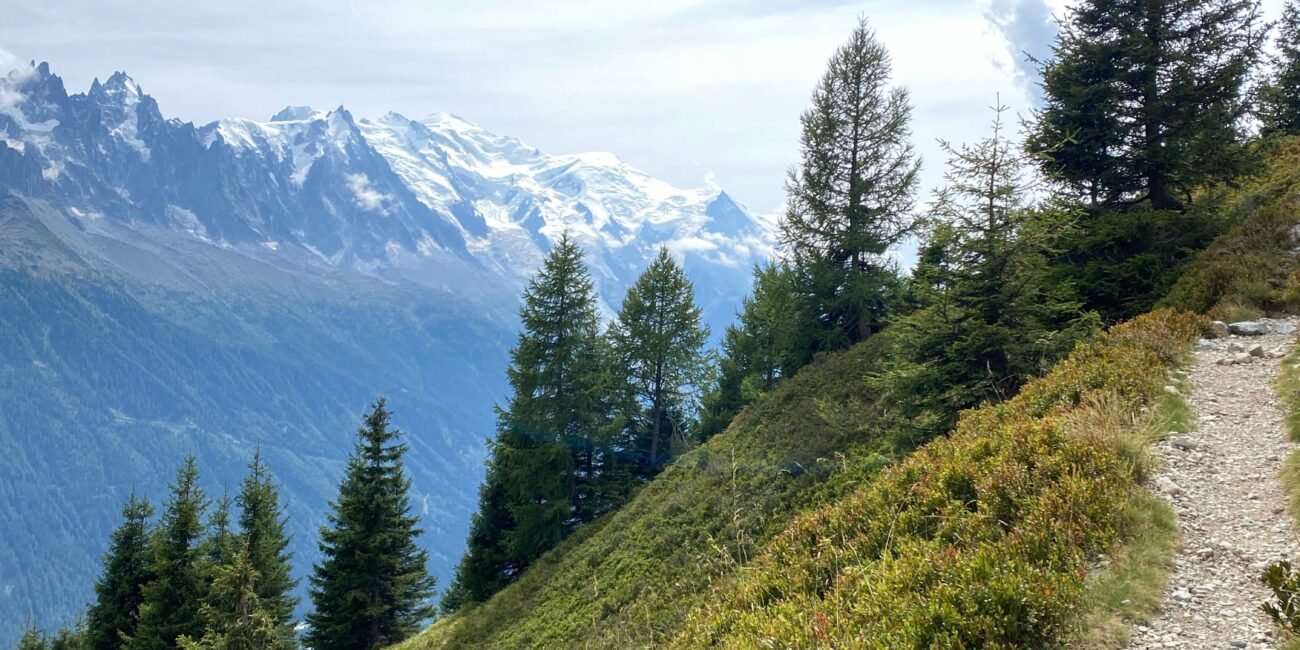
Switzerland is often experienced from a distance: through train windows, across lakes or from marked viewpoints. Horseback travel changes that relationship.
The landscape is no longer simply observed. Its gradients, surfaces, weather and distances become part of the day. Progress is slower, but attention becomes sharper.
The luxury lies less in comfort or spectacle than in proximity—to the animal, to the terrain and to the quieter details that appear when there is no reason to hurry.
Continue Exploring Switzerland with TOUR NOIR
If you are drawn to quiet, local, and slightly unexpected sides of Switzerland, you may also enjoy:
- 15 Historic Buildings in Switzerland — architecture shaped by stone, landscape, and everyday life.
- 20 Things to Know Before Traveling to Switzerland — cultural notes for a more thoughtful trip.
- Thermal Bath Culture in Switzerland — water, weather, and winter ritual.
- En FRANÇAIS? – A Language Guide for French-Speaking Switzerland

TOUR NOIR is a guide to Switzerland beyond the obvious: slower, quieter, and more atmospheric.
More hidden Switzerland, less tourist noise.
Get the free Tour Noir planning companion.
Leave a Reply