

No products in the cart.
20 THINGS TO KNOW BEFORE TRAVELING TO SWITZERLAND
Switzerland is often presented as impossibly orderly: perfect trains, perfect mountains, perfect lakes.
And in some ways, it is.
But the country also moves to its own quieter rhythm — one that can surprise visitors arriving from larger, faster-moving places.
These are not necessarily rules so much as observations: small practical things, cultural details, and slower habits that make traveling through Switzerland feel smoother once you understand them.
1. Switzerland Has 4 Official Languages
Switzerland moves between German, French, Italian, and Romansh with quiet ease. In a single journey, your greeting may shift from Grüezi to Bonjour to Buongiorno to Bun di — a small reminder that this compact country often holds more layers than it first appears.
2. Trains Are Often the Best Way to Travel
The Swiss rail system is punctual, scenic, and remarkably easy to use. More than just transport, trains are part of the experience here — carrying you from lakeside cities to mountain villages without the stress of a rental car. Even the local trams have their own rhythm; in my neighborhood, ours is so punctual that it occasionally leaves one minute early!
3. Nature Is Taken Seriously
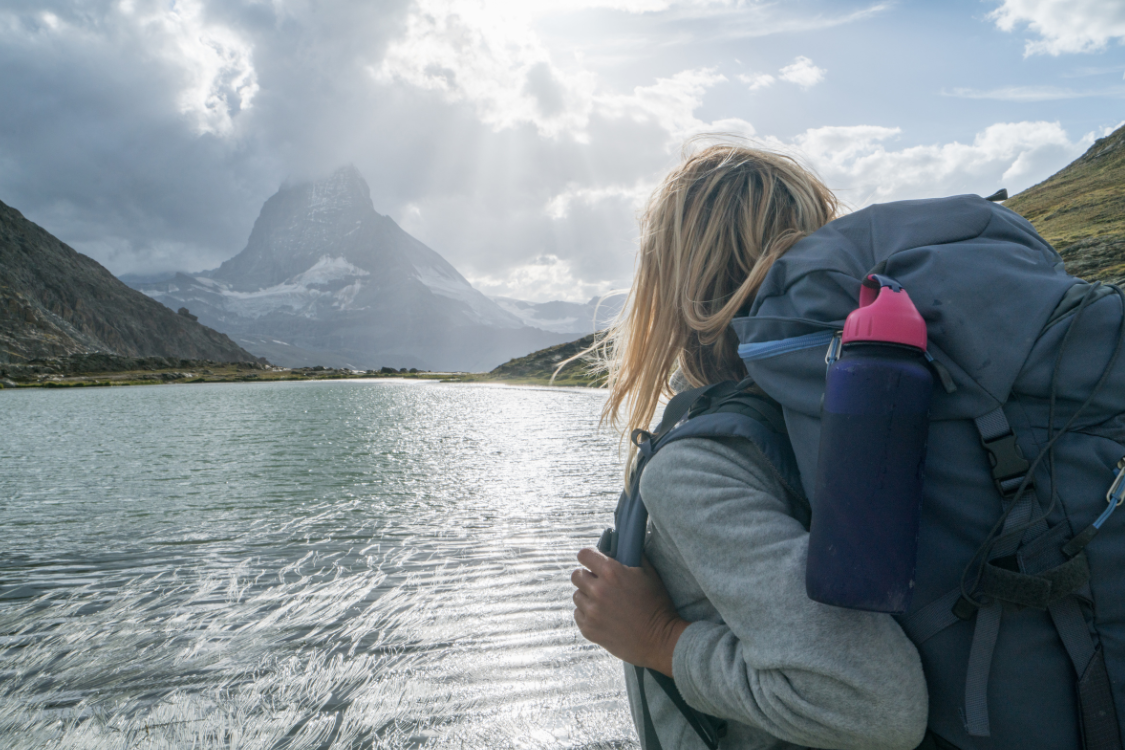
Switzerland’s landscapes are carefully protected, from alpine meadows to marked hiking trails. Follow the “leave no trace” rule and stay on designated paths where required. The beauty here is not accidental — it is cared for.
4. Sundays Are Quiet
On Sundays, Switzerland slows down. Shops, many restaurants, and most supermarkets may be closed, especially outside larger cities. Plan ahead, then enjoy the stillness — as part of the culture, instead of an inconvenience to be solved.
5. Cards Are Common, But Cash Still Helps
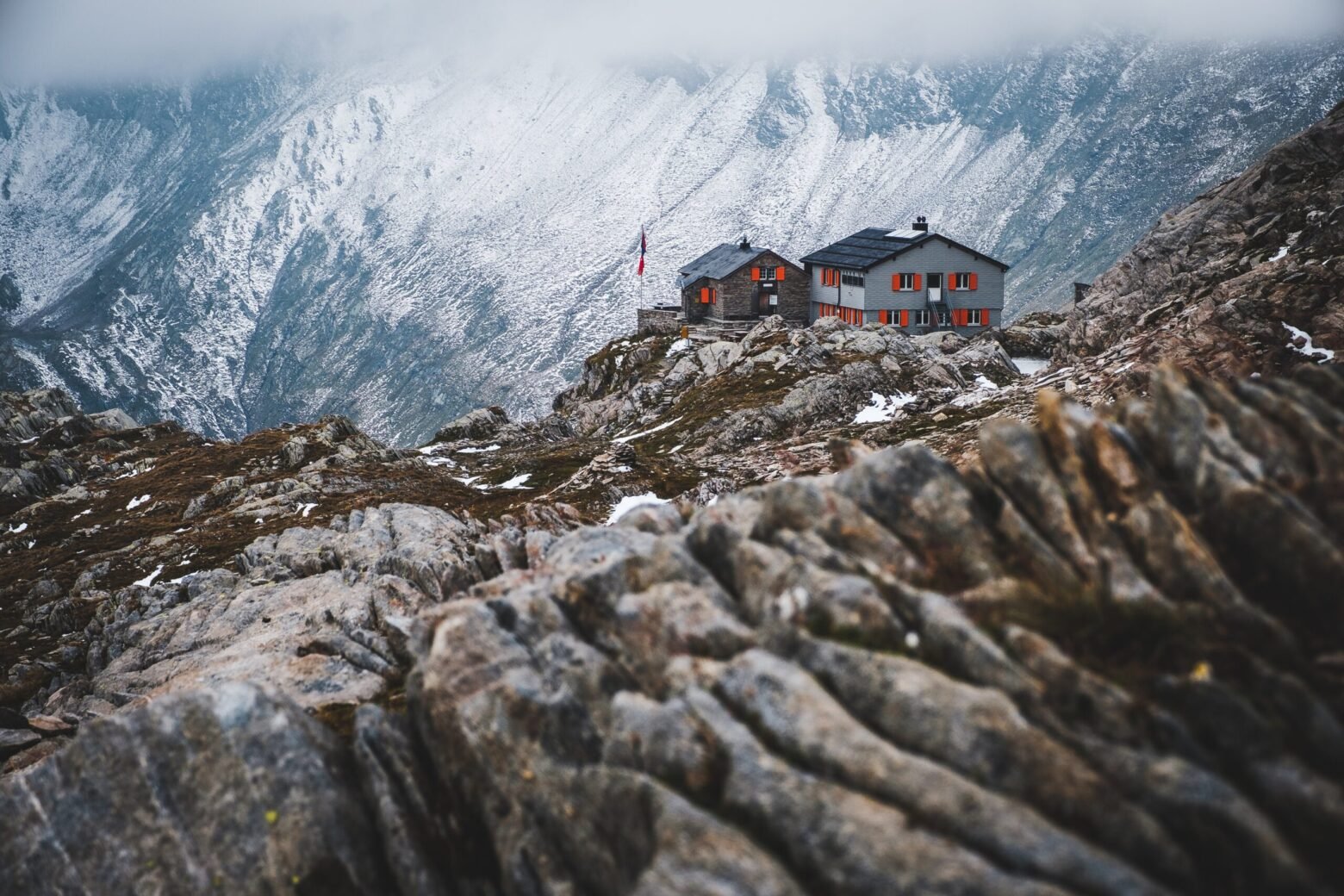
Cards are widely accepted, but it is still wise to carry some Swiss francs. Small villages, farm stands, market stalls, and alpine huts may prefer cash, especially in more rural areas.
6. The Water Is Excellent
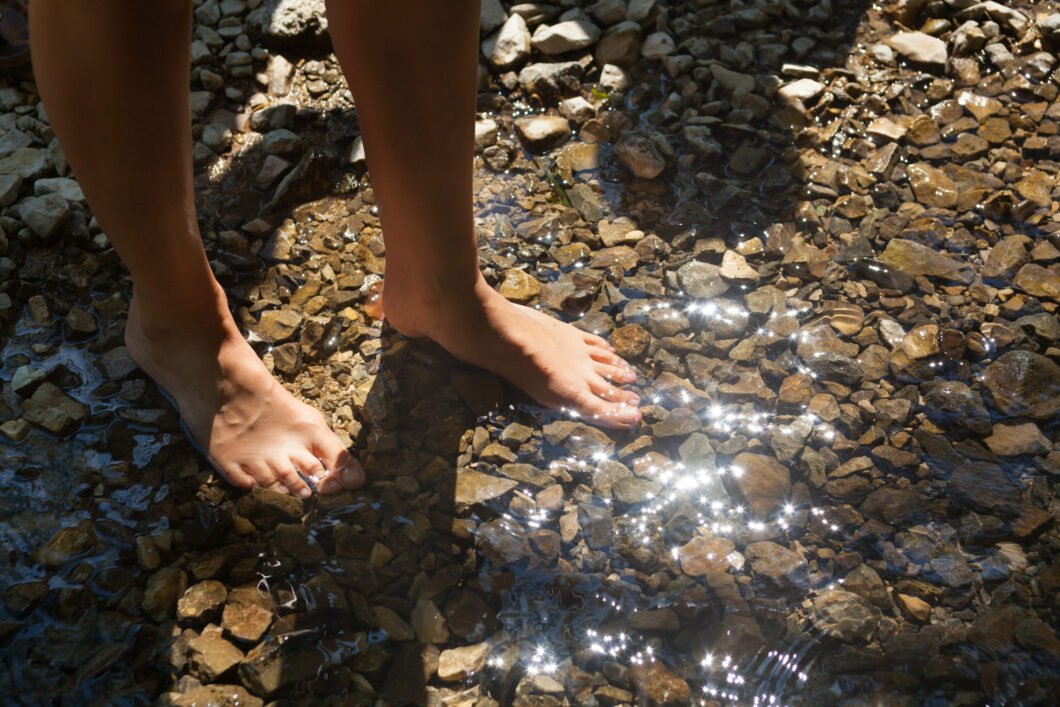
Public fountains in nearly every town and along trails often provide clean drinking water. Just beware if you see a sign that says “Kein Trinkwasser” (German), “Eau non potable” (French), or “Acqua non potabile” (Italian), it means the water is either not tested or not safe for drinking. These are usually found on rural trails, at cow troughs, or fountains that haven’t been recently tested. Unless you see a sign, it is safe to drink by default. Bring a refillable bottle and use it. Swiss water is one of the quiet luxuries of traveling here.
7. The Alps Are Not Only for Winter
Skiing may be world-class, but the Alps are just as compelling in warmer months. Summer brings wildflower trails, glacier views, lake swims, and long evenings when the mountains hold the last light.
8. Cowbells Are Part of the Soundtrack
The cowbells are not staged for visitors. During grazing season, they are part of alpine life — a soft, irregular sound that follows you through valleys and high pastures.
9. Trains Have Quiet Cars
Some Swiss trains include quiet zones (known in German as Ruhezone, Zona dei Silenzio in Italian and in French as Zone silence), where phone calls, loud conversations, and lively snack negotiations with children are not welcomed. Check before settling in, especially if you are traveling as a family.
10. Fondue Is Not Fast Food
Fondue is meant to be slow. It is less about rushing through a meal and more about sitting together, talking, and letting the evening unfold around the pot.
11. Time Matters
Swiss punctuality is not a cliché for nothing. Trains leave on time, reservations are respected, and meetings usually begin when scheduled. Arriving a few minutes early is rarely a bad idea.
12. Hiking Is Everywhere
Yellow hiking signs appear across the country, pointing to everything from gentle lakeside walks to demanding alpine routes. Hiking here is not just a vacation activity — it is woven into everyday life.
13. Transport Passes Can Be Worth It
A Swiss Travel Pass or regional transport pass can save money if you plan to use trains, boats, buses, and mountain railways regularly. Before buying, compare it with your actual route rather than assuming one pass is always best.
14. Weather Changes Quickly
In the mountains, weather can shift within minutes. Even in summer, pack layers, a rain jacket, hat, and shoes you can actually walk in. A bright morning can become a cool, misty afternoon very quickly.
15. Tipping Is Simple
Service is included in Swiss prices, so tipping is modest. Rounding up the bill or leaving a little extra for excellent service is appreciated, but not expected in the same way it may be elsewhere.
16. Lakes & RIVERS Are for Swimming
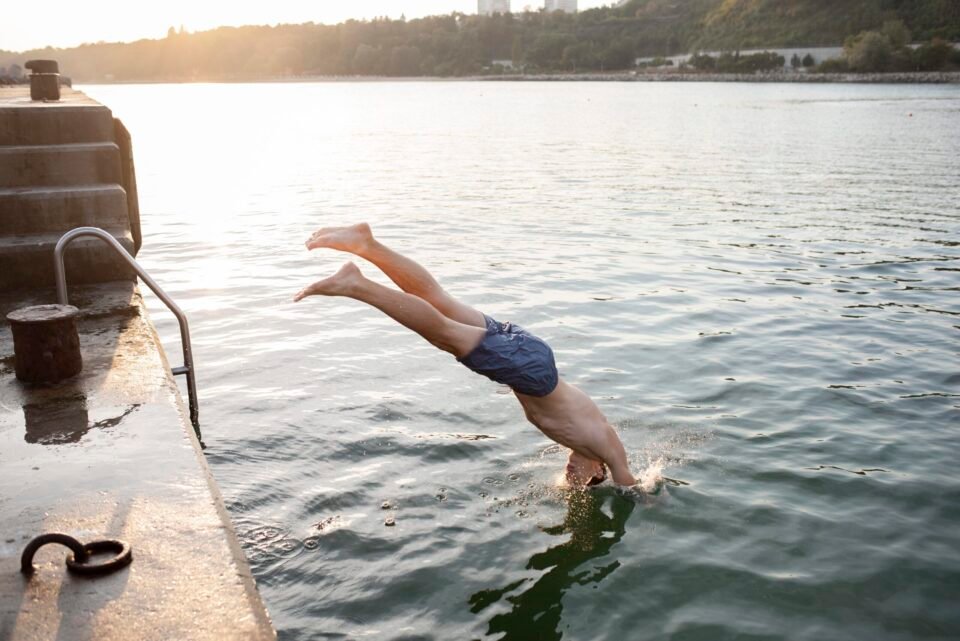
Swiss lakes are not just for looking at — and neither are the rivers. In warmer months, places like Lake Geneva, Lake Lucerne, Lake Zurich, Lake Brienz, the Rhine in Basel, the Aare in Bern, and the Limmat in Zurich become part of daily life: places to swim, picnic, float, and cool down.
In Basel, locals often use a colorful waterproof swim bag called a Wickelfisch to keep clothes and valuables dry while floating down the Rhine. You can buy one at tourist information offices and local shops, then roll it closed and let it float beside you as you swim. Bern has its own version, the Aarebag or Aaresack, made for swimming the Aare. Just treat river swimming with respect: use official entry and exit points, check the current, and never go in if you are unsure.
17. Culture Can Be Surprisingly Accessible
Many museums and cultural sites are easier to enjoy with a pass, especially if you plan to visit several. Switzerland can be expensive, but thoughtful planning makes its cultural side more accessible.
18. Cheese Goes Far Beyond Fondue
Fondue is only the beginning. Try raclette, alpine cheeses from small farms, and regional specialties such as Gruyère, Vacherin Fribourgeois, Tête de Moine, Appenzeller, and fresh alpine butter.
In mountain regions, look for small dairies, farm shops, village markets, and summer alpine huts where cheese is made close to where the cows graze. The flavor can change with the season, the pasture, and the altitude — which is part of what makes Swiss cheese culture so quietly fascinating.
For travelers, the easiest way in is simple: order a local cheese plate, visit a weekly market, or stop at an alpine dairy if you see one along a hiking route. In many mountain areas, cheese still tastes connected to the place it came from
19. Smaller Places Often Stay With You
Zurich, Geneva, Lucerne, and Interlaken all have their place. But smaller villages and quieter towns often leave the deeper impression — places like Soglio, Mürren, Murten, or the lesser-known valleys have a pace that feels more human.
20. Slow Down
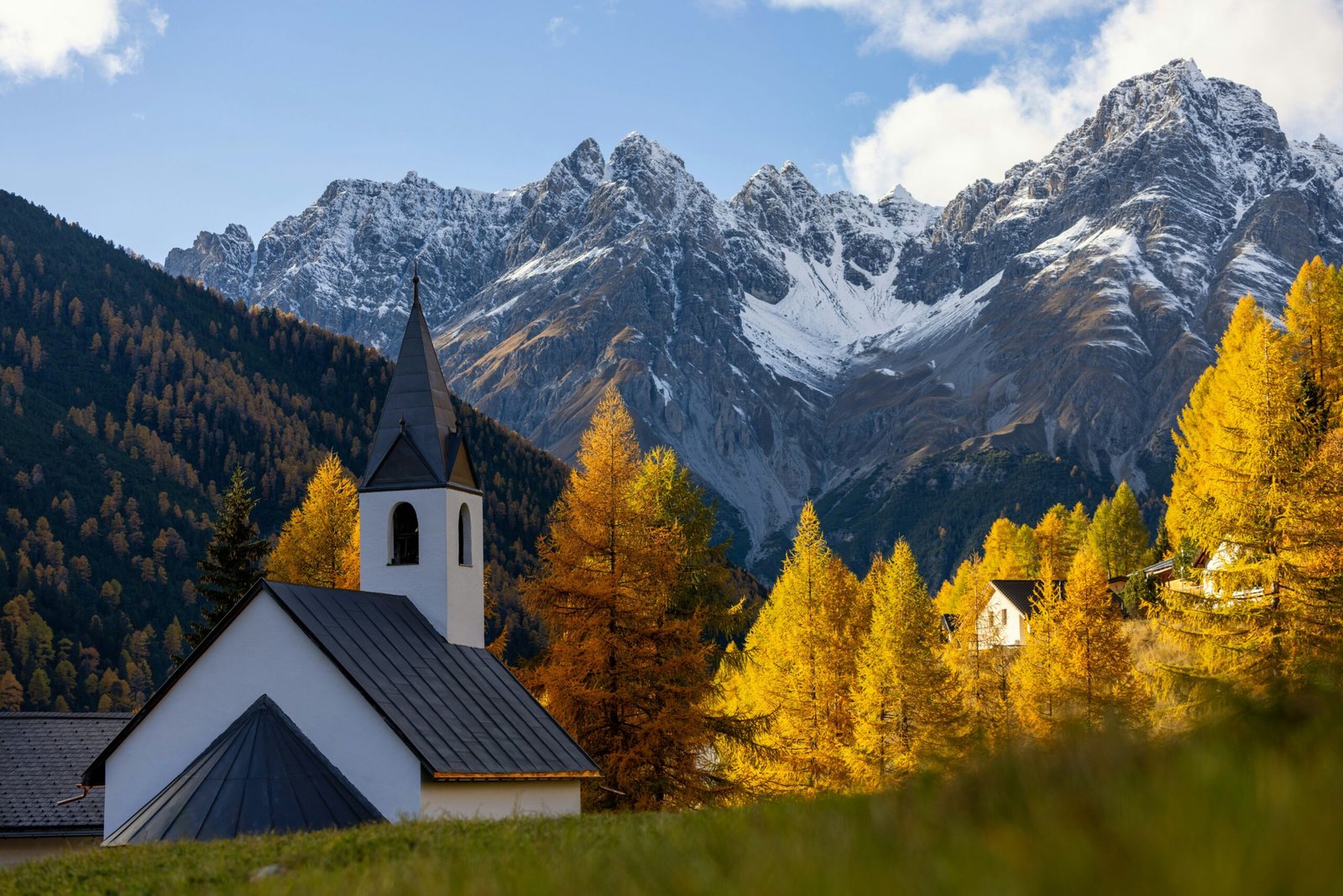
Switzerland rewards travelers who leave space in the itinerary. Some of the best moments are not major attractions: a train window view, a swim after a hot day, a church bell serenade in a small village, or a spontaneous ballad of cowbells mingling through wildflowers somewhere above the trail.
Last Note:
Switzerland may look like a fairytale from a distance, but up close it is practical, precise, and deeply local. Plan ahead, travel lightly, and pay attention to the small details — they are often what make the trip feel memorable.
Notes From Switzerland
TOUR NOIR shares quieter places, seasonal travel ideas, and slower ways to experience Switzerland — from lakeside towns to alpine villages beyond the usual itinerary.
Continue Exploring Switzerland
If you are drawn to quiet, local, and slightly unexpected sides of Switzerland, you may also enjoy:
- Equestrian Dreams in Switzerland — countryside riding, alpine routes, and rural atmosphere.
- 15 Historic Buildings in Switzerland — architecture shaped by stone, landscape, and everyday life.
- 20 Things to Know Before Traveling to Switzerland — cultural notes for a more thoughtful trip.
- Thermal Bath Culture in Switzerland — water, weather, and winter ritual.
TOUR NOIR is a guide to Switzerland beyond the obvious: slower, quieter, and more atmospheric.
Leave a Reply