

No products in the cart.
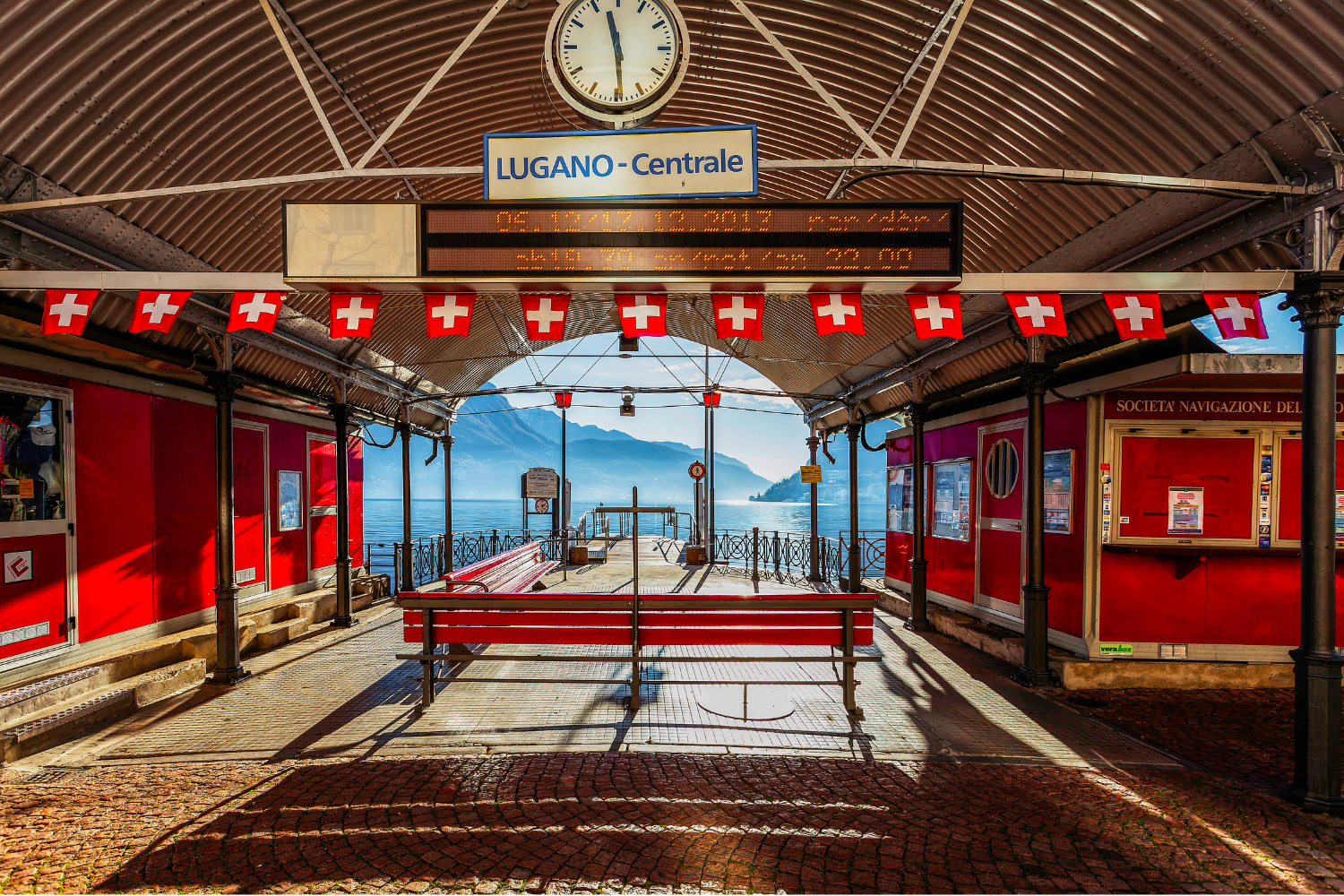
In Italiano — A Language Guide for Italian-Speaking Switzerland
Italian-speaking Switzerland feels different from much of the country almost immediately.
The pace eases slightly. Lake towns stay active later into the evening, conversations stretch longer over coffee, and the landscape shifts toward palms, stone villages, mountain roads, and lakes framed by steep hillsides.
In Ticino and the southern valleys of Graubünden, language becomes part of the atmosphere of the trip itself. You hear it in cafés near the lake, on regional trains, in village bakeries, and along the promenades of Lugano, Locarno, and smaller towns near the Italian border.
You do not need perfect Italian to travel well here. But learning a few words changes the experience. It slows interactions down, opens small conversations, and makes the region feel less like a backdrop and more like a place you are actually moving through.
The phrases below are simple, practical, and useful for everyday travel in Italian-speaking Switzerland.
Why Italian-Speaking Switzerland Feels Different
Ticino and the Italian-speaking valleys of Graubünden occupy a different landscape from much of Switzerland. The architecture softens, evenings stretch later into the day, and lakeside life becomes more visible in public space.
You notice it in:
- ferries crossing Lake Maggiore
- café terraces in Lugano
- stone villages in Val Bavona
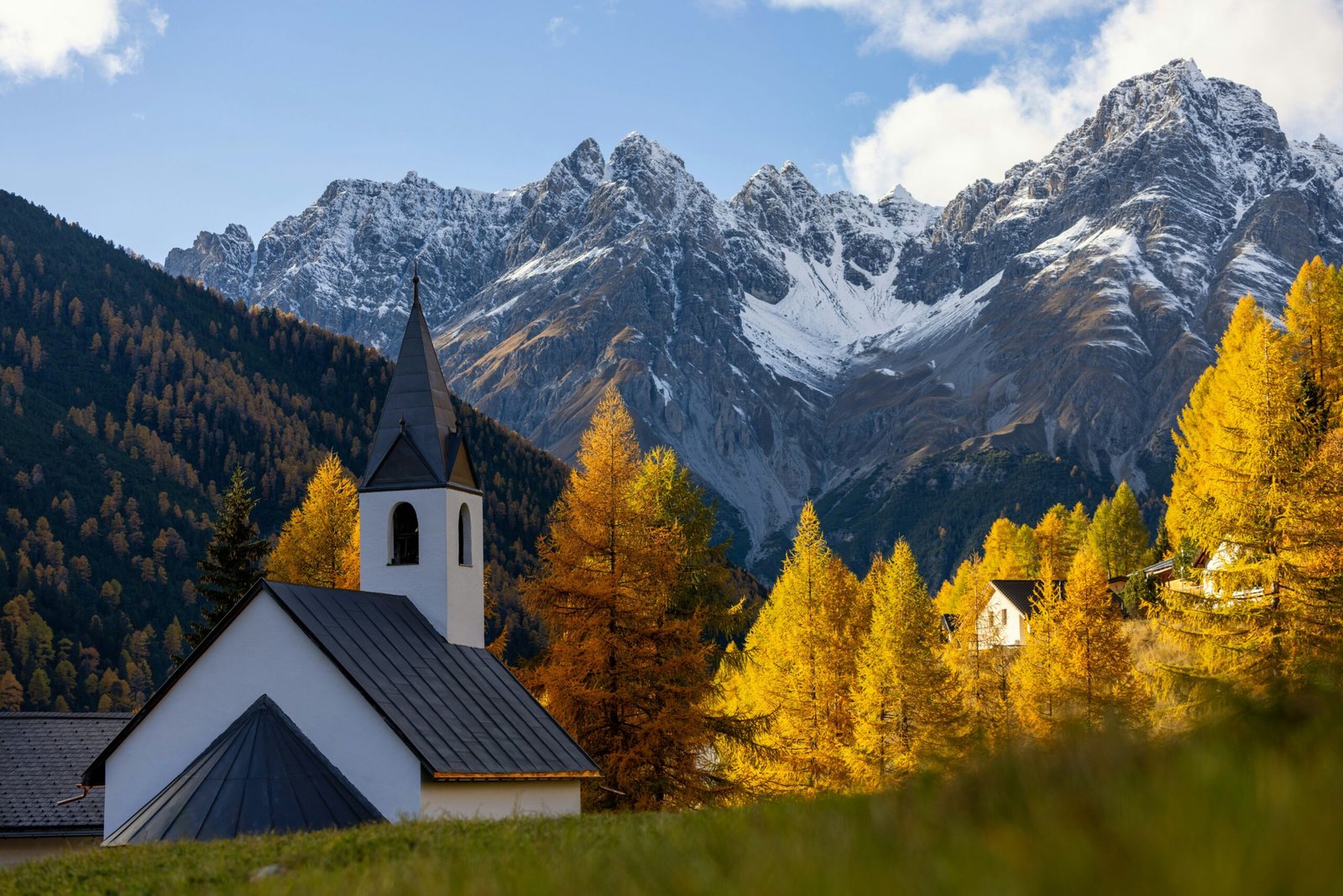
- palm trees beside alpine peaks
- conversations carrying across piazzas at night
The region remains distinctly Swiss — clean, connected, and efficient — but shaped by a different cultural rhythm.
BASIC GREETINGS
A simple greeting goes a long way in Ticino. Even a few words can shift the tone of an interaction immediately.
| English | Italian | Where It Helps |
|---|---|---|
| Hello / Good morning | Buongiorno | Until late afternoon |
| Good evening | Buonasera | From around 5–6 p.m. onward |
| Goodbye | Arrivederci | Polite farewell |
| Please | Per favore | Everyday politeness |
| Thank you | Grazie | The essential |
| You’re welcome | Prego | Warm and friendly |
| Excuse me | Mi scusi | Getting attention or apologizing |
| Yes / No | Sì / No | The basics |
| I don’t speak Italian | Scuza, non parlo italiano | Useful honesty |
| Do you speak English? | Lei parla inglese? | Respectful language check |
Ordering Coffee or Food
Cafés and lakeside terraces are part of daily life in southern Switzerland. Service often feels less rushed than in larger cities, especially in the evening.
- Un caffè, per favore — A coffee, please
- Vorrei… — I would like…
- Il menù del giorno, per favore. – The daily menu, please.
- Acqua naturale o frizzante? — Still or sparkling water?
- Il conto, per favore. – The bill, please.
- Posso pagare con la carta? — Can I pay by card?
- Da portare via / Qui. – To go / Here.
Menu Decoding – Common Foods in Ticino
- Formaggio – Cheese
- Risotto – Creamy rice dish, often local specialties like risotto al Merlot
- Polenta – Cornmeal dish, served soft or grilled
- Pesce di lago – Lake fish (perch, trout)
- Pane – Bread
- Insalata – Salad
- Zuppa – Soup
- Affettati misti – Mixed cured meats
- Merlot – Ticino’s most well-known red wine
- Dolci – Desserts (don’t skip gelato in summer!)
Drinks & Measurements – What to Ask For
| Drink | Italian Phrase | Typical Size |
|---|---|---|
| Small beer | Una birra piccola | ~30 cl |
| Large beer | Una birra grande | ~50 cl |
| Glass of wine | Un bicchiere di vino | ~10 cl (1 dl) |
| Tap water | Un bicchiere d’acqua del rubinetto | Free, but often bottled water is the default |
| Espresso | Un caffè | Small, strong |
| Cappuccino | Un cappuccino | Morning drink (ordering after 11 a.m. marks you as a tourist) |
Getting Around
Italian-speaking Switzerland is deeply connected by trains, buses, ferries, and mountain routes.
- Dov’è la stazione? — Where is the train station?
- A che ora parte il treno? — What time does the train leave?
- Un biglietto per Lugano, per favore — One ticket to Lugano, please
- Dove cambia questo treno? — Where do I change trains?
- Quanto tempo ci vuole? — How long does it take?
At the Ferry Dock
Ferries are part of everyday movement around Lake Lugano and Lake Maggiore, especially in warmer months.
- Quando parte il prossimo battello? — When does the next boat leave?
- Va a Gandria? — Does it go to Gandria?
- Quanto dura il tragitto? — How long is the ride?
- Da quale binario parte? — Which platform does it leave from?
Swimming, Hiking, and Mountain Days
In summer, daily life in Ticino often moves between lake water, hiking trails, village squares, and evening walks along the promenade.
- Dov’è il sentiero? — Where is the trail?
- Si può nuotare qui? — Can you swim here?
- Quanto è lontano? — How far is it?
- C’è un rifugio vicino? — Is there a mountain hut nearby?
- Che bella vista — What a beautiful view
Words You’ll Hear Often in Ticino
A few regional words appear frequently while traveling through southern Switzerland.
- Grotti — traditional rustic Ticino restaurants
- Passeggiata — an evening walk, often along the lake
- Piazza — town square
- Gelateria — ice cream shop
- Funicolare — funicular railway
Cultural Travel Tips in Ticino
Greet First, Order Second
In Ticino, it’s customary to say “Buongiorno” before starting any transaction, even in shops. Jumping straight to your request can feel abrupt and possibly come across as self-centered.
Keep It Warm and Courteous
Adding “per favore” and “grazie” isn’t optional—it’s part of the flow. The more warmth you give, the more you’ll get back.
Sustainable Connections
A few words in Italian go a long way toward countering the effects of overtourism. Locals remember travelers who show they care enough to meet them halfway.
Bonus Phrases for Deeper Moments
- È bellissimo qui. – It’s beautiful here.
- Mi piace molto la Svizzera. – I really like Switzerland.
- Che buon profumo! – What a good smell! (use in markets or cafés)
- Sei svizzero/a? – Are you Swiss?
A Few Words Matter More Than Perfection
Most people in southern Switzerland speak multiple languages, and many move easily between Italian, German, French, and English. You do not need flawless Italian to travel well here.
But even a small effort changes interactions. A greeting, a thank you, or ordering coffee in Italian often shifts the atmosphere immediately.
Tour Noir Note
Italian-speaking Switzerland is best experienced without overplanning every hour. Leave space for ferries, long lunches, lake swims, missed turns, and small conversations that were never part of the itinerary.
Sometimes the trip changes most in the quieter moments between destinations.
Explore quieter ways through Switzerland — trains, lakes, language, walking, and regional culture — with our occasional TOUR NOIR letter.
Leave a Reply