

No products in the cart.
Auf Deutsch — A Language Guide for German-Speaking Switzerland🇨🇭
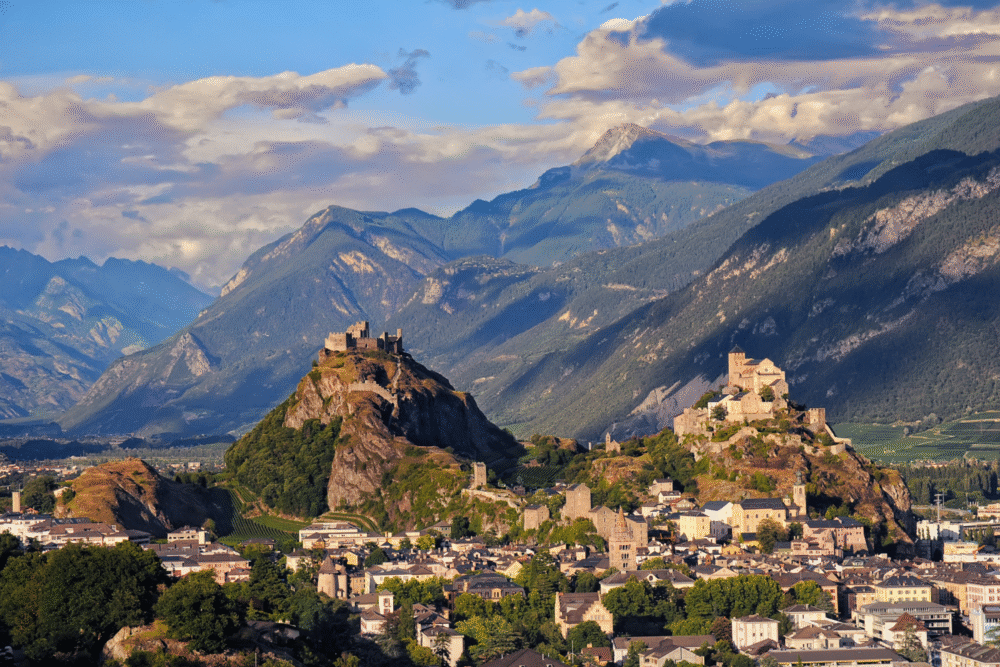
German-speaking Switzerland moves through trains, river cities, mountain weather, bakeries, markets, lakefronts, and hiking paths that connect daily life closely to the landscape around them.
You hear Swiss German in tram stops in Zürich, on station platforms in Bern and Basel, in mountain villages above Lucerne, and along hiking trails throughout the Alps. The dialects can sound very different from standard German, especially at first, but most everyday travel still happens easily with a few simple phrases.
You do not need perfect German to travel well here. But learning a few words changes the experience. It slows interactions down, makes everyday exchanges easier, and helps the country feel less observed from the outside.
The phrases below are practical, useful, and rooted in the rhythms of everyday life in German-speaking Switzerland.
Essential German & Swiss German Phrases for Everyday Travel
A few simple words carry most everyday exchanges in German-speaking Switzerland: greeting someone, asking politely, thanking them, and moving through shops, trains, bakeries, and mountain villages with a little more ease.
| English | German / Swiss German | Notes |
|---|---|---|
| Hello | Hallo / Grüezi | Grüezi is commonly used as a polite greeting in Swiss German. |
| Goodbye | Tschüss / Auf Wiedersehen | Tschüss is casual; Auf Wiedersehen is more formal. |
| Please | Bitte | Useful in almost every interaction. |
| Thank you | Danke / Vielen Dank | Herzlichen Dank is a warmer “many thanks.” |
| You’re welcome | Bitte schön / Gern geschehen | A natural response to thank you. |
| Excuse me | Entschuldigung | Useful in shops, stations, and crowded places. |
| Yes, please / No, thank you | Ja, bitte / Nein, danke | Simple, but important. |
| I don’t speak German | Leider spreche ich kein Deutsch. | A polite way to be clear. |
| Do you speak English? | Sprechen Sie Englisch? | Ask before switching languages. |
At the Bakery in the Morning
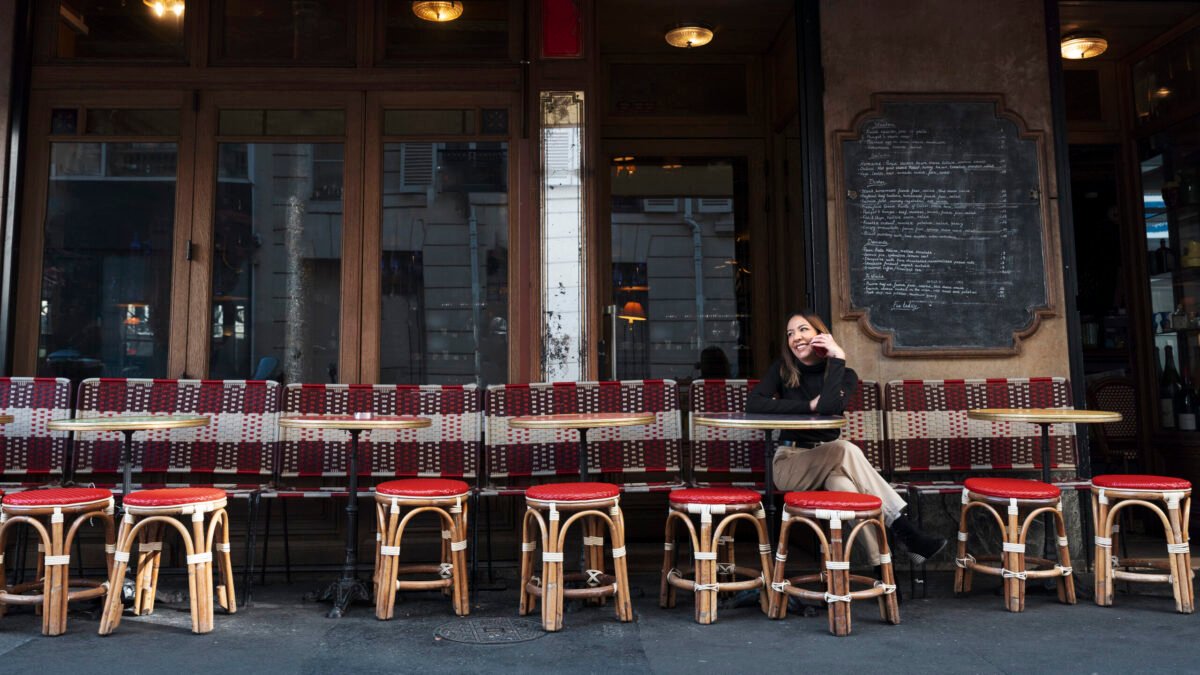
Mornings in Swiss German cities and villages often begin quietly: coffee standing at the counter, fresh bread, newspapers, and commuters moving toward trains and trams.
| Deutsch | English |
|---|---|
| Ein Kaffee, bitte. | A coffee, please. |
| Ein Gipfeli, bitte. | A croissant, please. |
| Zum Mitnehmen, bitte. | To take away, please. |
| Das ist alles, danke. | That’s all, thank you. |
| Schönen Morgen noch. | Have a nice morning. |
At Cafés, Shops, and Markets
In German-speaking Switzerland, everyday exchanges are usually brief, polite, and direct. A few useful phrases will carry you through bakeries, market stalls, cafés, mountain restaurants, and small shops.
| Deutsch | English | Where You’ll Use It |
|---|---|---|
| Ich hätte gern… | I would like… | Ordering food, drinks, or something from a counter. |
| Was empfehlen Sie? | What do you recommend? | Asking for a suggestion in a café, restaurant, or shop. |
| Die Rechnung, bitte. | The bill, please. | At a café or restaurant. |
| Zahlen, bitte. | To pay, please. | When you’re ready to pay. |
| Zum Mitnehmen oder hier essen? | To take away or eat here? | Often heard in bakeries, cafés, and casual food spots. |
| Das ist alles, danke. | That’s all, thank you. | Finishing an order politely. |
Reading the Menu
Menus in German-speaking Switzerland are usually direct and practical, with plenty of mountain comfort: cheese, potatoes, bread, soup, daily specials, and simple drinks ordered by size.
Food Words
| Deutsch | English |
|---|---|
| Käse | Cheese |
| Fondue | Melted cheese dish, usually served with bread |
| Rösti | Crispy grated potato dish |
| Wurst | Sausage |
| Brot | Bread |
| Suppe | Soup |
| Salat | Salad |
| Tagesmenü | Daily menu / daily special |
Drinks & Ordering
| English | German |
|---|---|
| A small beer | Ein kleines Bier |
| A large beer | Ein grosses Bier |
| 1 dl of wine | Ein Deziliter Wein |
| A glass of tap water, please | Ein Glas Leitungswasser, bitte |
| A coffee, please | Ein Kaffee, bitte |
| A cappuccino, please | Ein Cappuccino, bitte |
Note: Swiss tap water is excellent, but in restaurants it is still best to ask for it politely rather than assume it will be brought automatically.
On the Train Through Switzerland
Much of Switzerland is experienced through trains: lakeside routes, mountain tunnels, village stations, and long views opening suddenly between valleys.
| Deutsch | English |
|---|---|
| Welches Gleis? | Which platform? |
| Wann fährt der Zug ab? | When does the train leave? |
| Ist das der Zug nach Luzern? | Is this the train to Lucerne? |
| Muss ich umsteigen? | Do I need to change trains? |
| Wie lange dauert die Fahrt? | How long is the journey? |
River Swimming & Lake Days
In summer, rivers and lakes become part of everyday life in cities like Bern, Zürich, Basel, and Lucerne. People swim after work, float downstream with dry bags, and gather near the water into the evening.
| Deutsch | English |
|---|---|
| Kann man hier schwimmen? | Can you swim here? |
| Ist das Wasser kalt? | Is the water cold? |
| Wo ist der Einstieg? | Where is the entry point? |
| Gibt es hier Umkleiden? | Are there changing rooms here? |
| Das Wasser sieht schön aus heute. | The water looks beautiful today. |
Hiking & Mountain Days
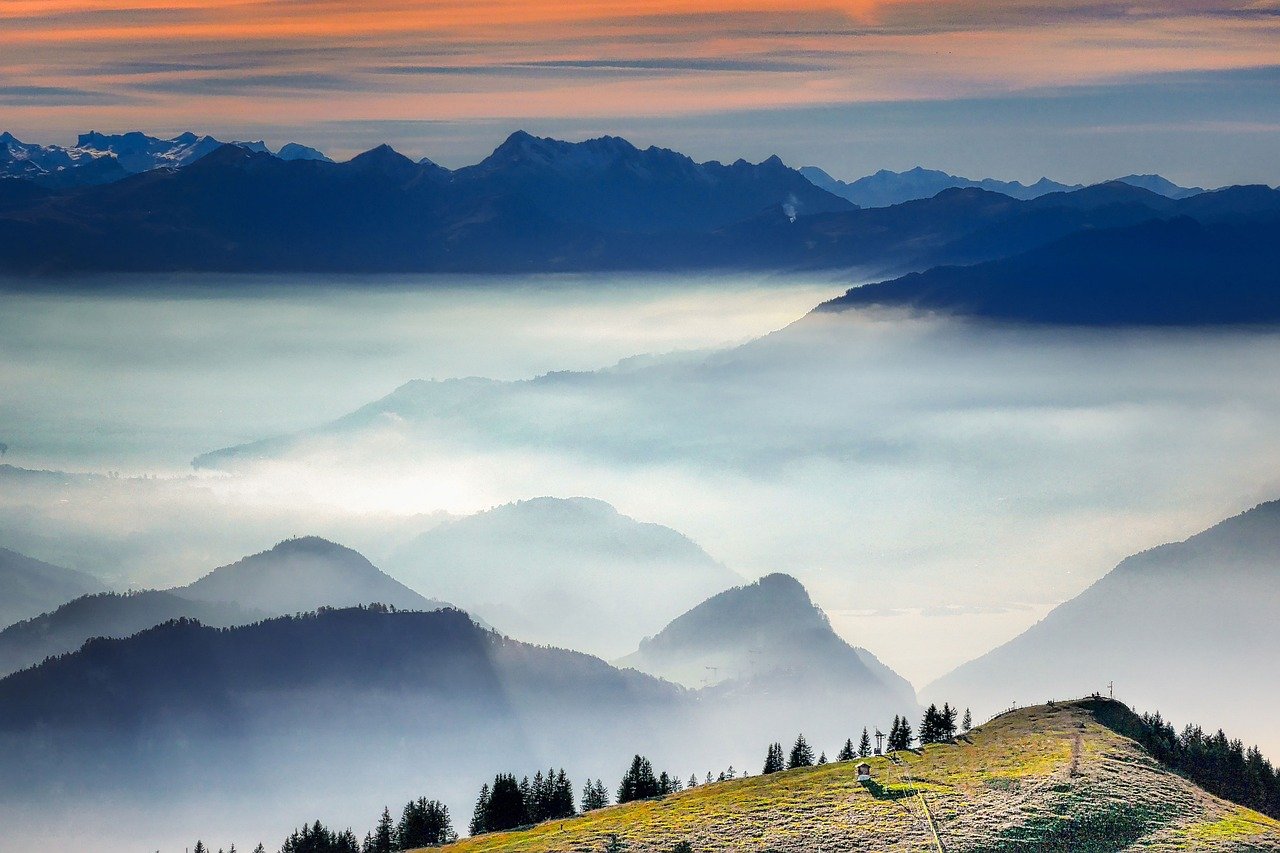
German-speaking Switzerland is shaped by walking: mountain trails, alpine railways, cable cars, and paths connecting lakes, forests, and villages.
| Deutsch | English |
|---|---|
| Wo beginnt der Wanderweg? | Where does the hiking trail begin? |
| Wie weit ist es bis zur Hütte? | How far is it to the hut? |
| Ist der Weg schwierig? | Is the trail difficult? |
| Kann man dort essen? | Can you eat there? |
| Die Aussicht ist unglaublich. | The view is incredible. |
A Note on Using German in Switzerland
You do not need perfect German to travel well in German-speaking Switzerland. A few simple words are often enough: a greeting when you enter a shop, a thank you at the counter, a polite question at the station.
Swiss German varies strongly by region, and standard German is usually understood in everyday travel situations. What matters most is not fluency, but tone: polite, clear, and unhurried.
| Deutsch | English |
|---|---|
| Es ist wunderschön hier. | It is beautiful here. |
| Die Aussicht ist unglaublich. | The view is incredible. |
| Das Essen war sehr gut. | The food was very good. |
| Herzlichen Dank. | Many thanks. |
| Einen schönen Tag noch. | Have a nice day. |
Tour Noir Note
Start small: Grüezi, bitte, danke, Entschuldigung. These are often enough to make everyday exchanges feel more open — at the bakery, on the train platform, in a mountain restaurant, or after a swim in the river.
Leave a Reply