

No products in the cart.
Beyond Zermatt: A Quieter Side of Switzerland
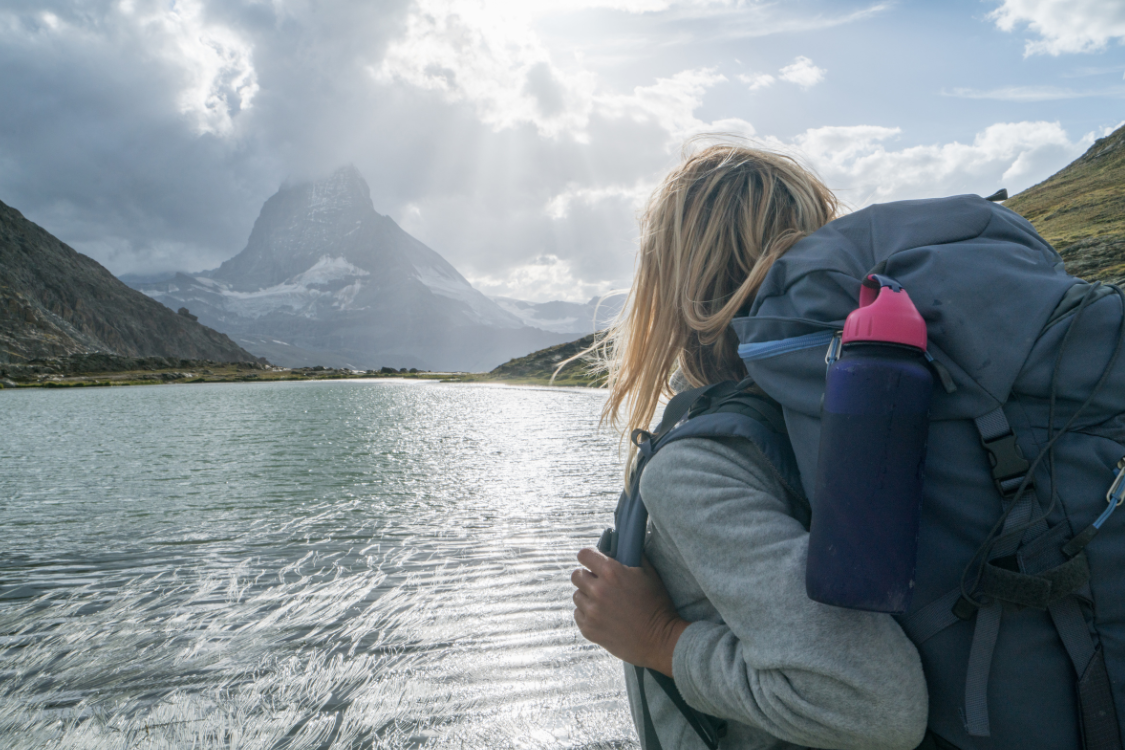
There is nothing wrong with Zermatt or the Jungfrau Region. They are beautiful for a reason.
But somewhere between the luxury boutiques, tour buses, and perfectly replicated Instagram angles, parts of the Swiss Alps can begin to feel less like Switzerland itself and more like a performance of it.
The quieter version still exists.
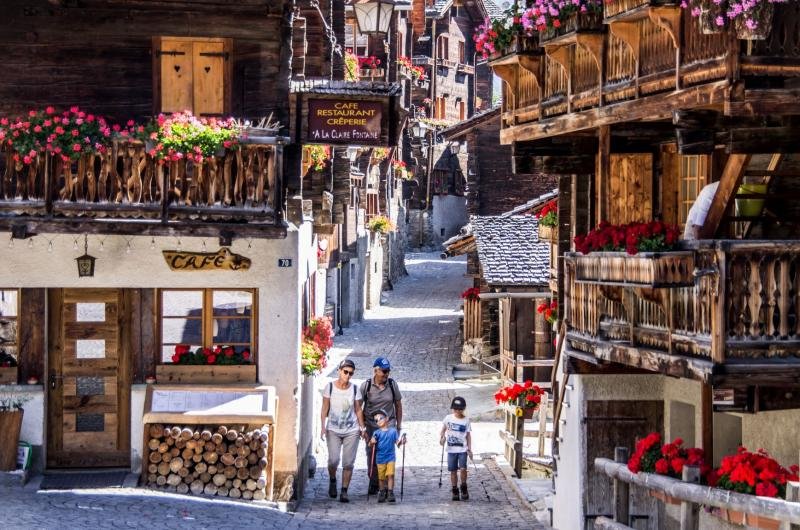
You find it in smaller valleys where church bells carry across the fields at dusk. In old hotels with creaking wooden staircases. In lakeside towns where people still disappear for two hours at lunch. In mountain villages where the rhythm is set by weather rather than tourism.
This is the Switzerland TOUR NOIR returns to repeatedly: slower, quieter, and a little less polished around the edges.
For Alpine Drama Without the Crowds
The great paradox of the Swiss Alps is that the more famous the destination becomes, the harder it can be to feel any real sense of solitude there. Some places are now so carefully curated for visitors that they begin to lose the atmosphere that made them compelling in the first place.
Instead of following the same circuit through the Bernese Oberland, consider heading deeper into the quieter valleys of Valais.
The villages of Val d’Anniviers still feel connected to the mountain landscape around them. Wooden barns blackened by sun and snow stand beside centuries-old churches. Cable cars rise silently above forests and grazing pastures. In winter, the valley becomes hushed and almost cinematic; in summer, it feels wide open and deeply restorative.
Further north, Lötschental remains one of the most atmospheric valleys in the country. The villages are quieter, the architecture more weathered, the pace noticeably slower. You trade spectacle for atmosphere — and often end up remembering it longer.
The lakeside atmosphere around Murten offers a very different pace from the larger resort towns — especially in the shoulder seasons, when the vineyards around Mont Vully begin to turn gold.
Travelers looking for a quieter base in the Alps often find themselves returning to the smaller valleys of Valais, where hiking trails, thermal baths, and old mountain villages still shape daily life more than tourism infrastructure.
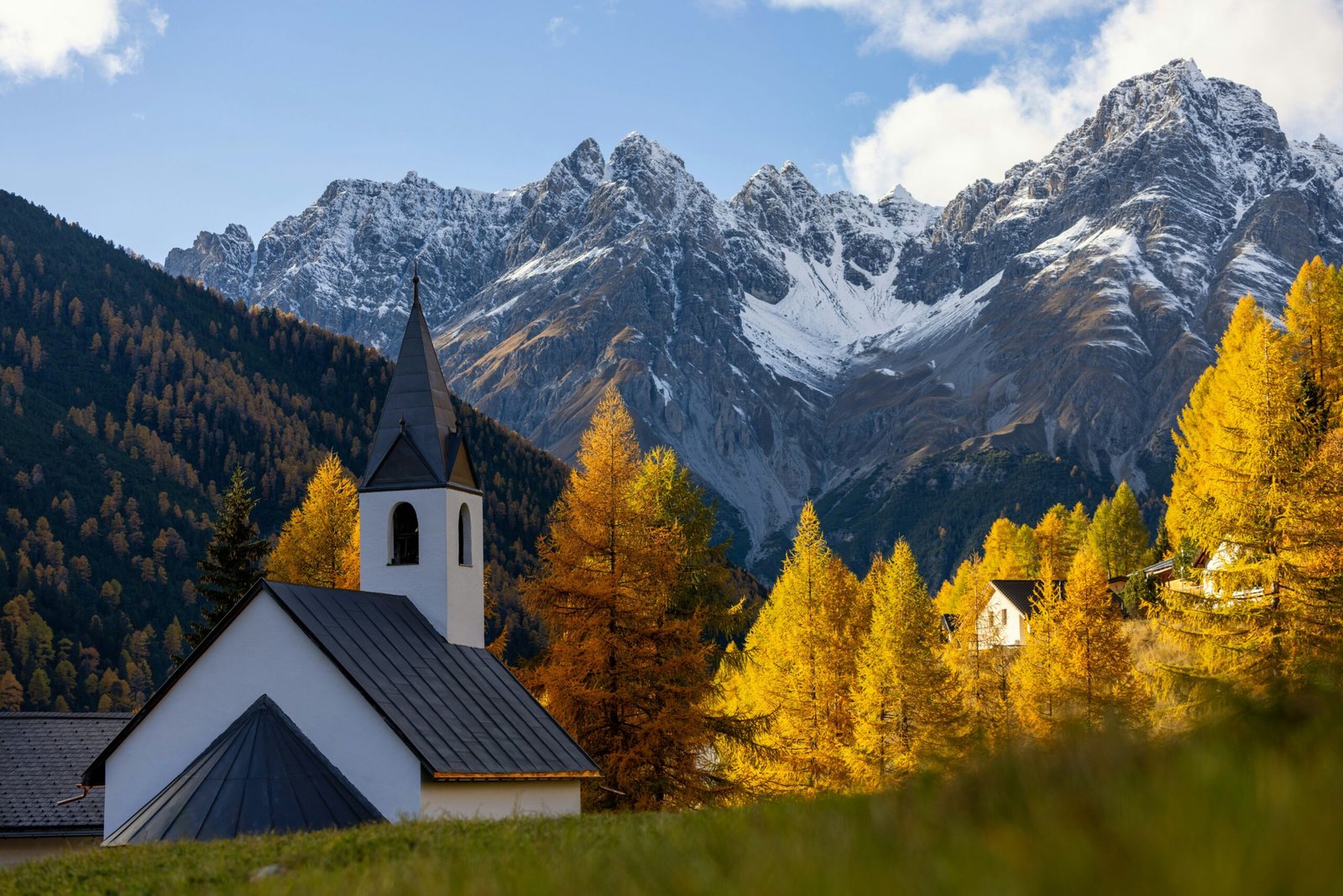
And in eastern Switzerland, the light and landscapes of the Engadin offer an entirely different mood from the heavily photographed Alpine resorts. Long trains trace glacial rivers through stone villages and high mountain forests. The air feels sharper here somehow, the silence more expansive.
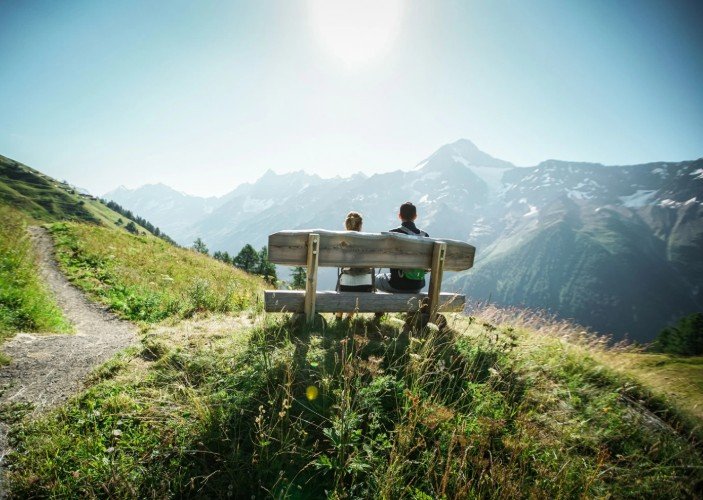
Photo of hikers resting on the Lötschental trails courtesy of dieloetschentaler.ch
A More Lived-In Switzerland
One of the most rewarding parts of slowing down in Switzerland is discovering places that still feel inhabited rather than staged.
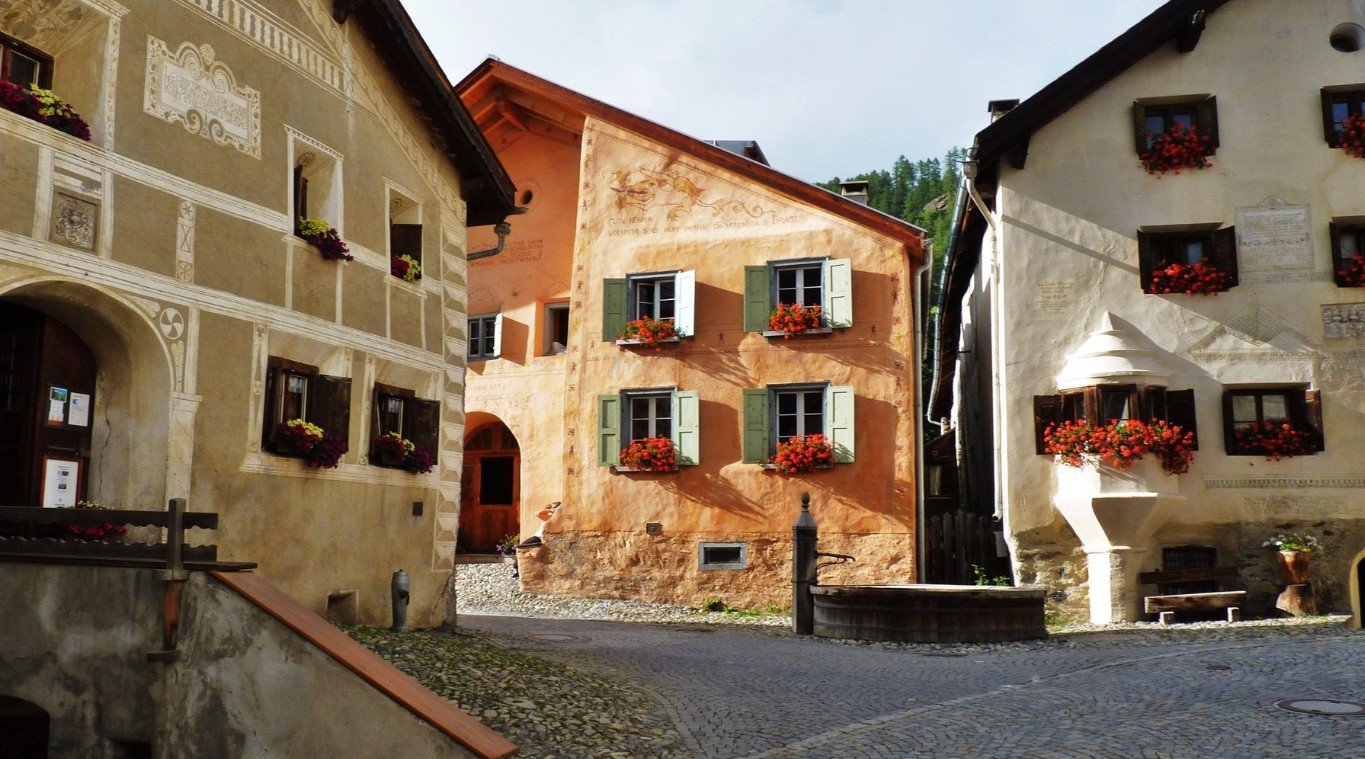
In smaller towns, daily life continues at its own rhythm. Bakeries close in the afternoon. Elderly couples sit beside fountains in the town square. Farmers move slowly across steep hillsides that have been cultivated for generations.
Places like Murten, Soglio, or Leuk may not dominate travel itineraries, but they offer something increasingly rare: a feeling of quiet continuity.
Not every destination needs to announce itself loudly.
Some places reveal themselves gradually — through mountain light on old stone walls, the sound of distant cowbells, or a long lunch that stretches well into the afternoon.
The Luxury of Less
There is also a particular luxury in choosing places that ask less of you.
Less rushing between attractions. Less standing in line for the “perfect view.” Less pressure to document every moment.
The Switzerland beyond the postcard rewards a different kind of travel — one built around walking, lingering, reading beside lakes, watching storms move across the mountains, and allowing entire afternoons to remain unplanned.
It is not necessarily the Switzerland that trends online, but it is often the one people remember most vividly after they return home.
THE SWITZERLAND WE RETURN TO
The famous Switzerland is easy to find — and often worth seeing.
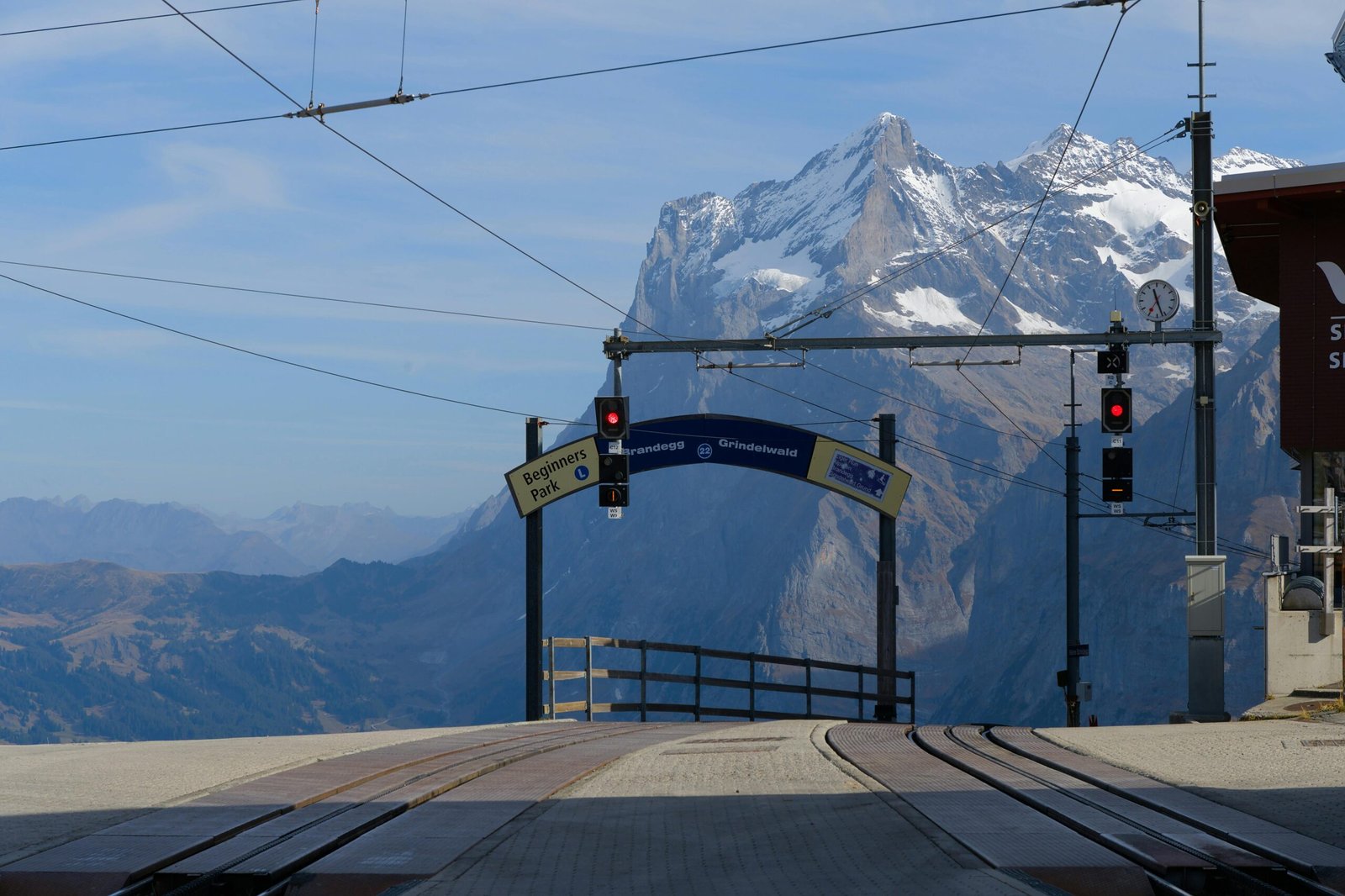
But beyond the familiar views, there is another rhythm: slower trains, smaller villages, lake towns at dusk, valleys that don’t feel arranged for anyone in particular.
It takes a little more patience to find.
But once you do, Switzerland feels less like a postcard and more like a place you just have to return to.


Leave a Reply