

No products in the cart.
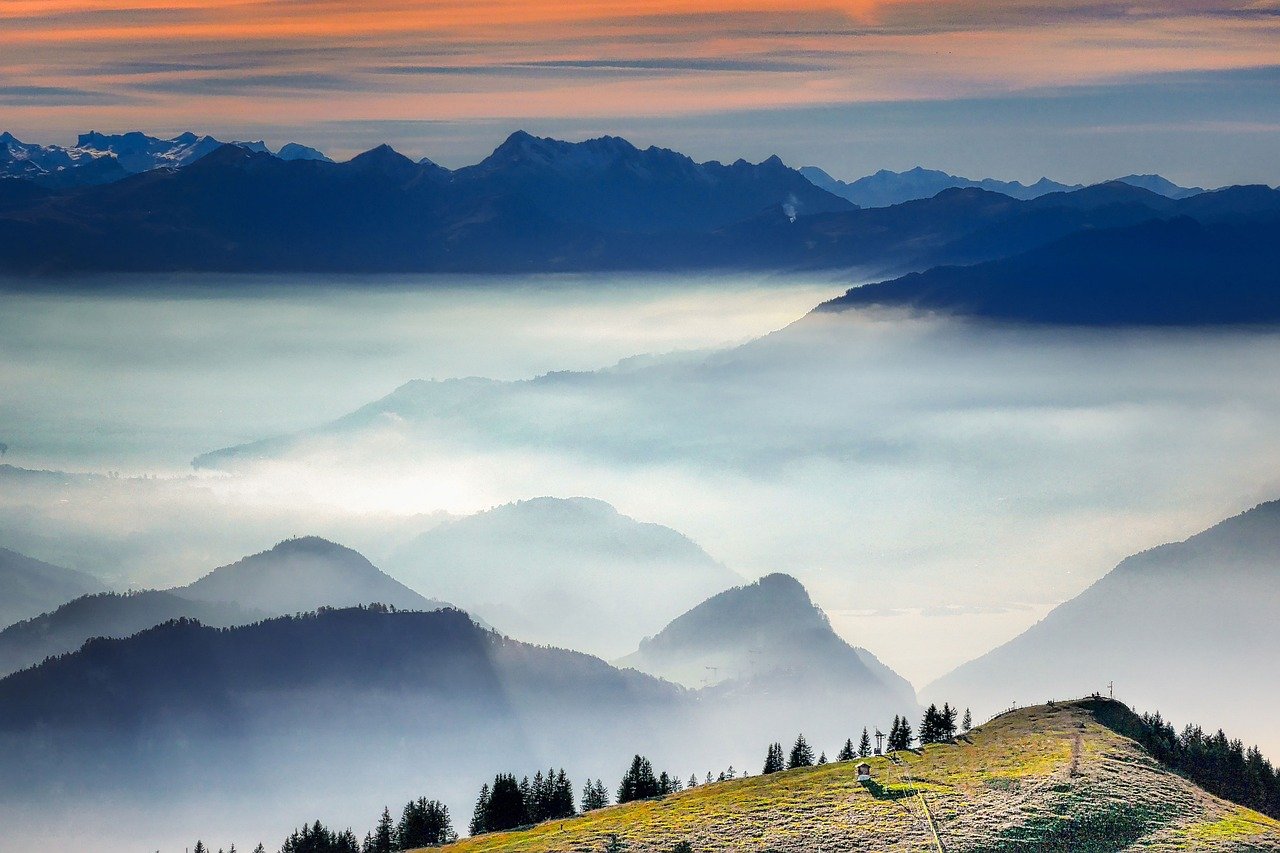
10 Quieter Places to Experience Switzerland Differently
Switzerland’s famous places are famous for a reason. But beyond Zermatt, Lucerne, and the most photographed viewpoints, there is another side of the country — quieter, wilder in places, and often more memorable because it gives you room to actually arrive.
These 10 destinations are not all secret, and they do not need to be. They offer something better than novelty: mountain villages, lake edges, valley roads, old towns, and landscapes that invite you to stay longer than planned.
Regions are marked in parentheses, such as (Graubünden), to make planning easier. Switzerland is small, but it is not meant to be rushed. Choose a few places or experiences that matter most, then build the rest of the trip around them.
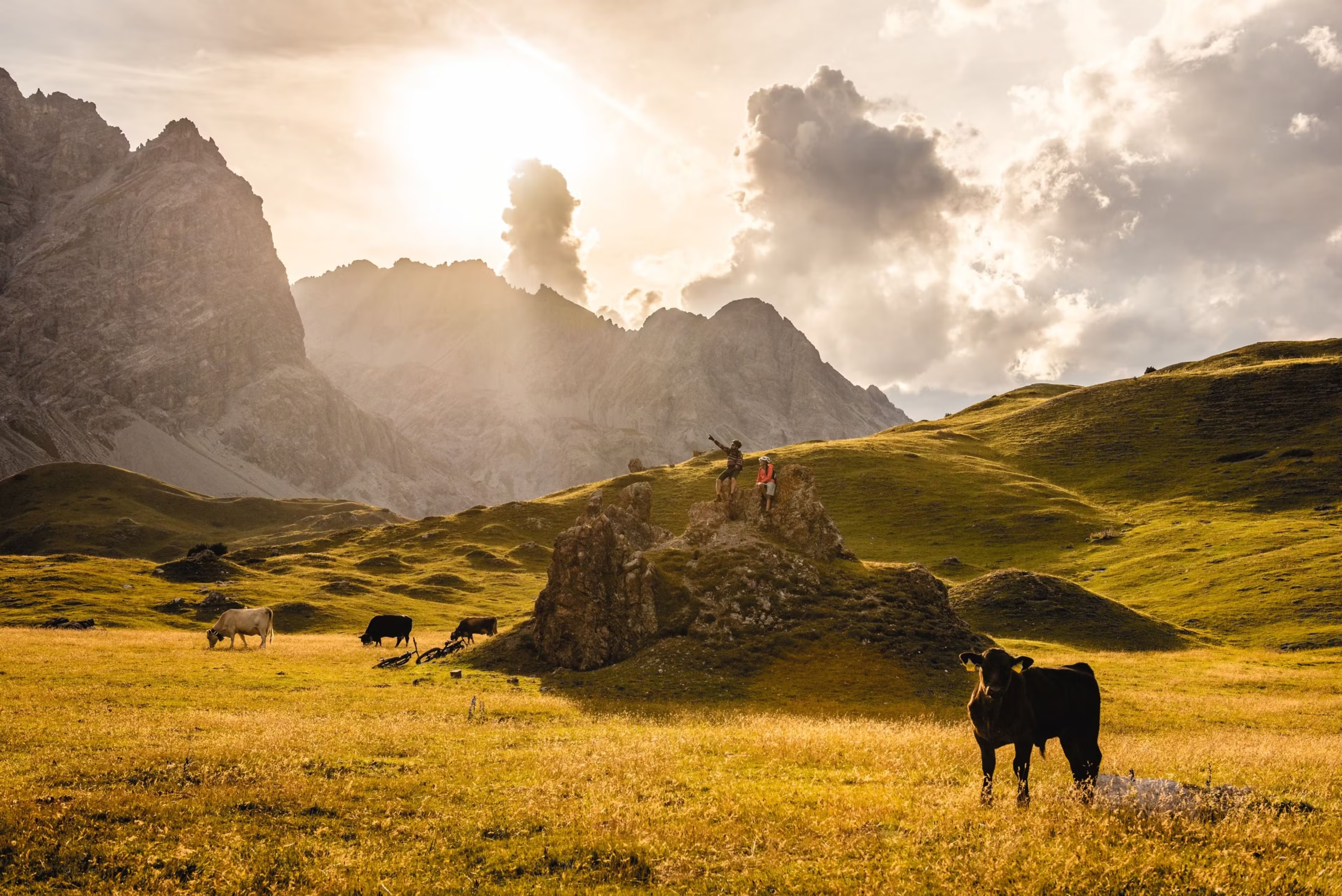
Peaceful and pure: Val Mustair panorama photo courtesy of swissactivities.com
1. Val Müstair (Graubünden)
Why visit:
Val Müstair sits in a remote corner of Graubünden near the Italian border, reached by train and PostBus over the Ofen Pass. It is one of those Swiss valleys where the distance from the main tourist routes is part of the experience.
The valley is known for its protected landscapes, Romansh culture, and the Benedictine Convent of St. John in Müstair, a UNESCO World Heritage Site founded in the 8th century. Inside are remarkable Carolingian frescoes, manuscripts, paintings, and architectural details that connect the valley to a much older European story.
Outside the monastery walls, Val Müstair opens into hiking trails, cycling routes, mountain passes, winter sports, and quiet villages where the pace feels noticeably different from Switzerland’s busier resort regions.
How to get there:
Take the train to Zernez, then the PostBus over the Ofen Pass to Müstair.
Tour Noir Note
Val Müstair works best when treated as a destination, not a quick stop. Give it time for the monastery, the valley roads, the mountain air, and the slower rhythm of the region to settle in.
Nearby / useful links:
- Benedictine Convent of St. John
- Val Müstair regional information
- Hiking, trail running, and biking routes
- Swiss National Park and Ofen Pass
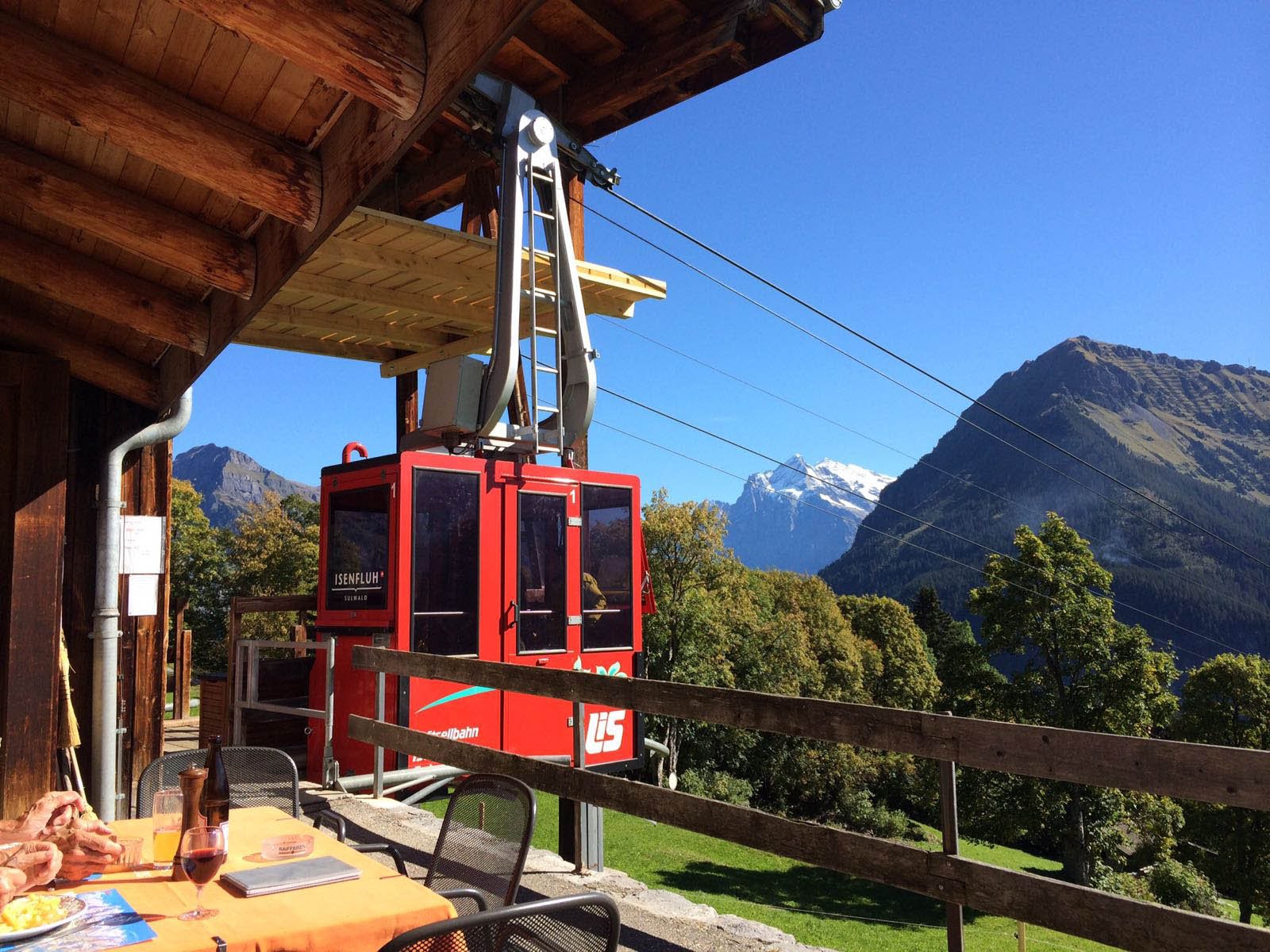
Isenfluh cable car photo courtesy of I Like Switzerland.com
2. Isenfluh (Bernese Oberland)
Why visit:
High above the Lauterbrunnen Valley, Isenfluh feels noticeably quieter than the villages below. The views remain just as dramatic — steep cliffs, waterfalls, and the peaks of the Eiger, Mönch, and Jungfrau — but the pace is slower and the atmosphere more residential than resort-oriented.
The village works well as a base for walking and mountain days without the constant movement of larger tourist hubs nearby.
How to get there:
From Lauterbrunnen, take the local bus up the narrow mountain road to Isenfluh. The journey takes around 15 minutes.
Tour Noir Note
Part of Isenfluh’s appeal is the arrival itself. The road climbs quickly above the valley floor, and the shift in noise and pace is immediate.
Nearby / useful links:
- Sulwald cable car
- Panoramic hiking trails
- Views toward the Eiger, Mönch, and Jungfrau
- Lauterbrunnen Valley walks and waterfalls
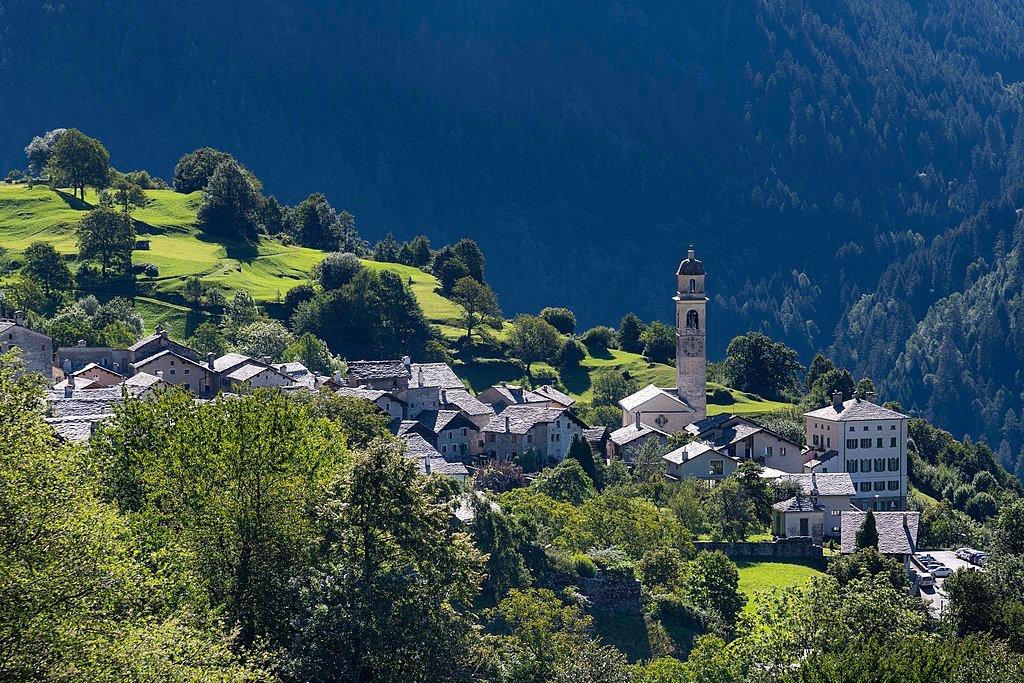
Soglio village photo courtesy of Wikipedia Commons | Michael Kuhn
3. Soglio (Graubünden)
Why visit:
Soglio sits above the Bregaglia Valley, close to the Italian border, with stone houses, narrow lanes, and wide views toward the surrounding peaks. Artist Giovanni Segantini famously called it “the gateway to paradise,” and the village still carries that sense of distance from ordinary travel routes.
It is small, quiet, and best experienced slowly: a walk through the village, time in the old lanes, then lunch or coffee at Hotel Palazzo Salis, whose garden and historic interiors add to the feeling of another era.
How to get there:
Travel by train to St. Moritz or Thusis, then continue by PostBus via Promontogno to Soglio.
Tour Noir Note
Soglio does not need much of an itinerary. The appeal is in the setting itself — stone, mountains, old houses, garden walls, and the slower pace of the Bregaglia Valley.
Nearby / useful links:
- Hotel Palazzo Salis
- Bregaglia Valley walks
- Castasegna and the Italian border
- Maloja Pass and St. Moritz connections
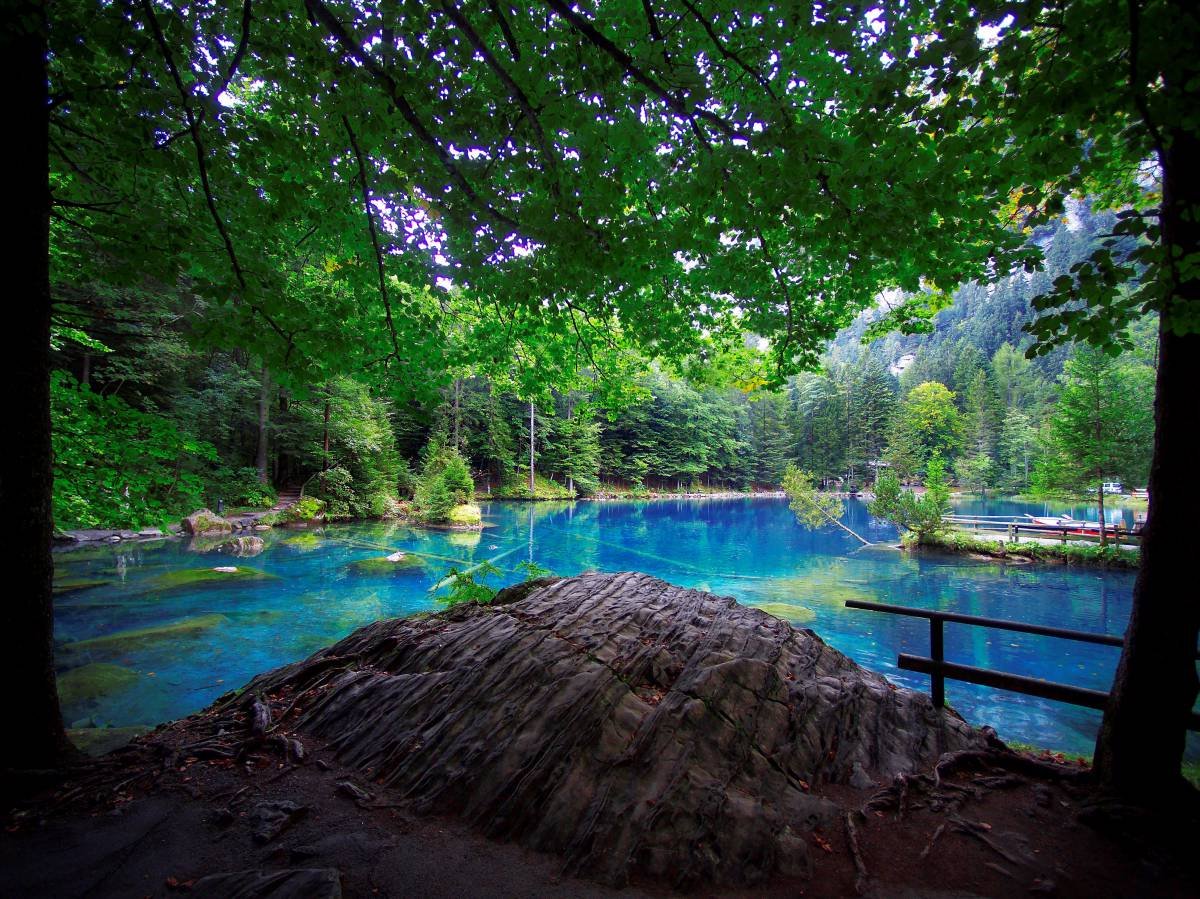
Photo courtesy of blausee.ch
4. Blausee (Bernese Oberland)
Why visit:
Blausee is small, vivid, and easy to reach, which means timing matters. The lake sits inside a forested nature park near Kandersteg, with unusually clear blue water, mossy paths, and mountain air moving through the trees.
It is not an undiscovered place, but it can still feel quiet if you avoid the busiest hours. Go early in the morning or later in the afternoon, when the light softens and the day visitors begin to thin out.
How to get there:
Take the train to Frutigen, then continue by bus or taxi to Blausee Nature Park.
Tour Noir Note
Blausee works best as a short, well-timed stop rather than the center of a full day. Pair it with Kandersteg, Oeschinensee, or a slower route through the Kandertal.
Nearby / useful links:
- Blausee Nature Park
- Kandersteg
- Oeschinensee
- Kandertal walks

Look out point on the Jura Crest Trail photo courtesy of myswitzerland.com.
5. Jura Crest Trail (Jura Mountains)
Why visit:
The Jura Crest Trail offers a quieter kind of Swiss walking: long ridgelines, open pastures, forest paths, and wide views toward the Alps, the Black Forest, and the Vosges. It is less dramatic than the high Alps, but often more spacious.
The full route runs in stages from the Zurich region toward Geneva, but you do not need to walk the entire trail. Choose one section for a day hike or plan a slower overnight route between villages and mountain inns.
How to get there:
Access different sections by train or bus via towns such as Balsthal, Weissenstein, Vallorbe, or other Jura villages along the route.
Tour Noir Note
The Jura is ideal when you want Switzerland without the pressure of iconic views. The beauty is in the ridges, quiet inns, forest edges, and the feeling of walking with space around you.
Nearby / useful links:
- Jura Crest Trail sections
- Weissenstein ridge walks
- Remote Jura mountain inns
- La Chaux-de-Fonds and Le Locle watchmaking towns
- Lake Neuchâtel and Hotel Palafitte
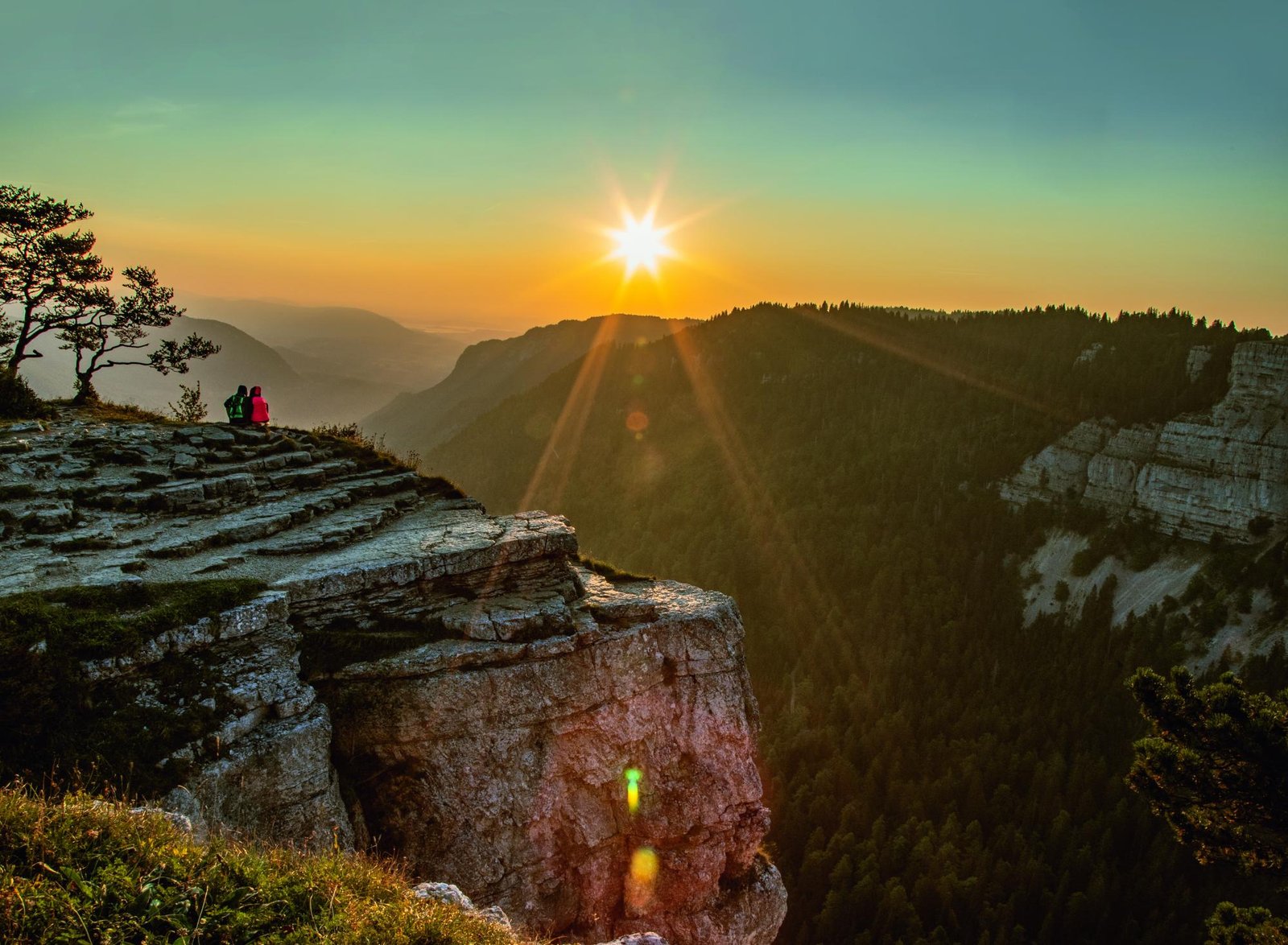
Photo courtesy of Jura & Trois Lacs Drei Seen Land
6. Creux du Van (Neuchâtel Jura)
Why visit:
Creux du Van is one of the Jura’s most striking landscapes: a vast natural rock amphitheater with steep limestone cliffs, open pasture above, and wide views across the region.
It is dramatic, but not polished. The appeal is in the scale of the cliffs, the wind at the ridge, and the chance of seeing ibex moving quietly along the rock face.
How to get there:
Take the train to Noiraigue, then hike up to the viewpoint. The climb usually takes around 2.5 to 3 hours. For an easier route, drive or take transport toward Soliat and walk from there.
Tour Noir Note
Go early if you can. Sunrise or a quiet morning gives Creux du Van a very different feeling than the busier middle of the day.
Nearby / useful links:
- Noiraigue
- Soliat
- Jura hiking routes
- Lake Neuchâtel viewpoints
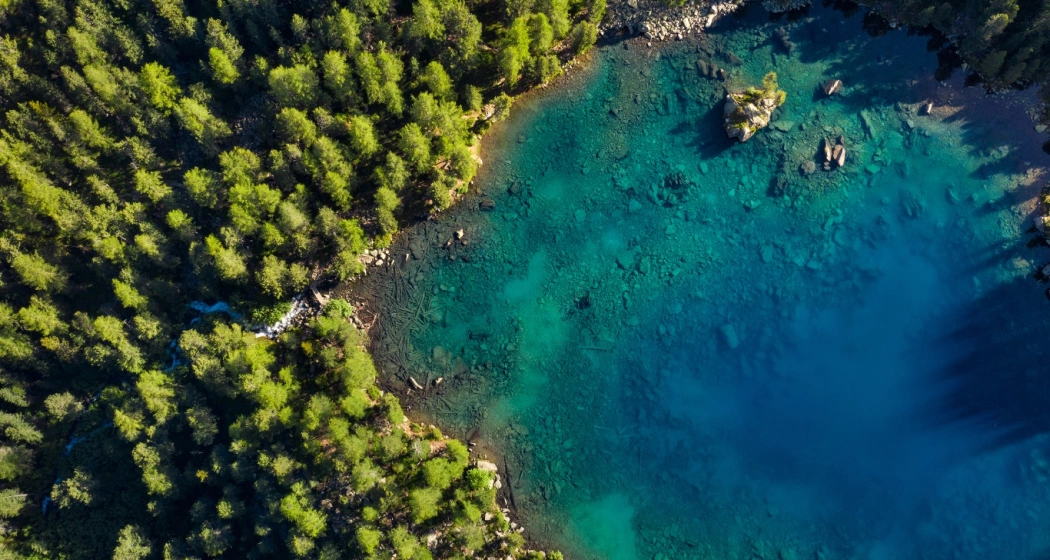
Aeral photo of Lago di Saoseo located along the Swiss / Italian border courtesy of Graubuenden Ferien.
7. Lago di Saoseo (Valposchiavo)
Why visit:
Lago di Saoseo sits high in Valposchiavo, close to the Italian border, with clear blue water, larch forests, and mountain reflections that shift with the light.
It is beautiful, but the setting still feels quiet and remote. Reaching it takes a little effort, which helps keep the experience slower than Switzerland’s more accessible lake stops.
How to get there:
Take the train to Poschiavo, then the bus to Sfazù. From there, hike to the lake in around 1.5 hours, or use the seasonal shuttle toward Rifugio Saoseo.
Tour Noir Note
Stay overnight near the lake if you want the quieter hours. Early morning and evening bring softer light, fewer people, and a stronger sense of the surrounding valley.
Nearby / useful links:
- Rifugio Saoseo
- Valposchiavo hiking routes
- Poschiavo village
- Bernina railway journeys
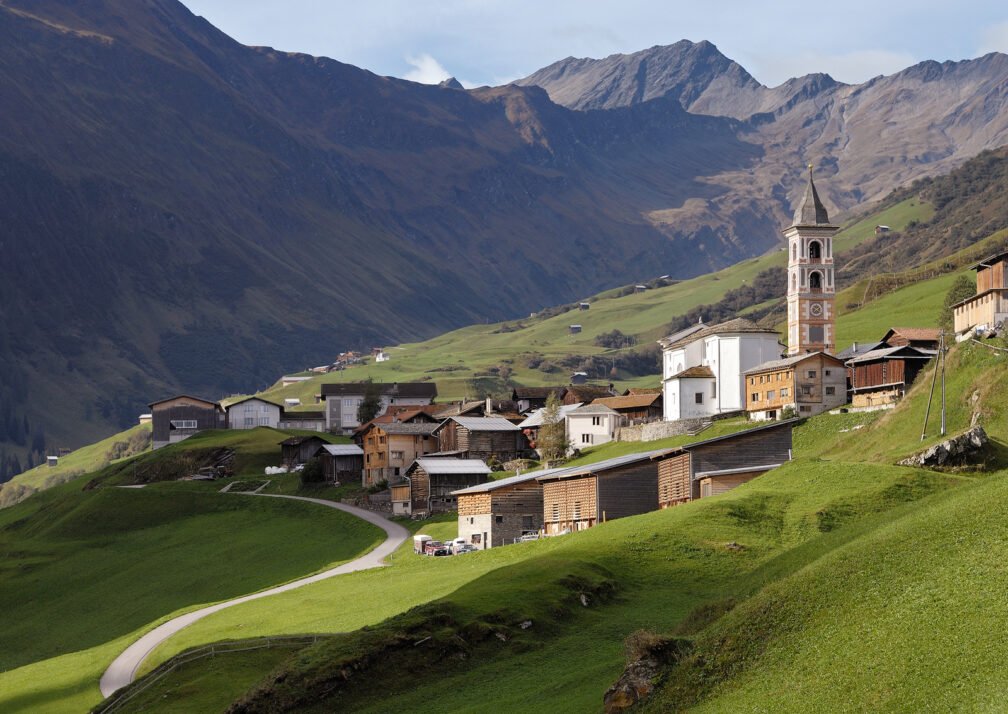
Vrin village photo courtesy of 52bestebauten.
8. Vrin (Lukmanier Region, Graubünden)
Why visit:
Vrin sits at the end of the Val Lumnezia, a remote Romansh-speaking valley in Graubünden. It is a small mountain village, but one with unusual architectural depth.
Traditional timber buildings stand alongside careful contemporary work by local architect Gion A. Caminada, whose projects helped shape Vrin’s reputation as a model for rural design rooted in place. The result is not showy architecture, but something quieter: wood, stone, barns, village lanes, and buildings that still feel connected to farming life.
Vrin works especially well for travelers interested in architecture, village culture, and hiking without the noise of a major resort.
How to get there:
Take the train to Ilanz, then continue by PostBus to Vrin. The bus journey takes around 45 minutes.
Tour Noir Note
Vrin rewards slower looking. The architecture is not about spectacle, but about how a village can evolve without losing its scale, materials, or sense of place.
Nearby / useful links:
- Gion A. Caminada architecture in Vrin
- Guided village and architecture tours
- Val Lumnezia hiking routes
- Romansh culture and village life
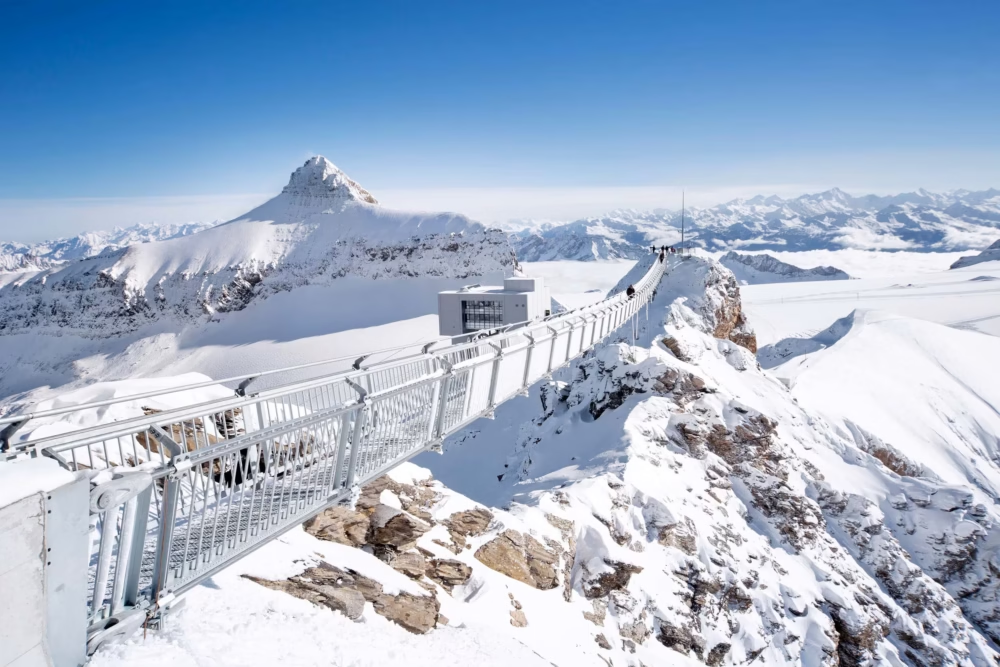
Peak Walk by Tissot courtesy of Switzerland Tourism.
9. Les Diablerets Glacier Hike (Vaud Alps)
Why visit:
Les Diablerets sits in the Vaud Alps, with glacier access, alpine meadows, and a quieter village atmosphere than some of Switzerland’s larger mountain resorts.
The area works well for travelers who want high-mountain scenery without building the whole trip around a major resort town. In summer, the contrast is strong: green pastures and wildflowers below, glacier views above, and mountain trains connecting the region at a slower pace.
How to get there:
Take the train to Aigle, then continue by mountain train to Les Diablerets. From there, local transport connects toward the Glacier 3000 cable car.
Tour Noir Note
Glacier 3000 gives easy access to big alpine views, but the quieter part of the experience is often lower down: village walks, meadows, and the shift in landscape as the train climbs from the valley.
Nearby / useful links:
- Glacier 3000 cable car
- Glacier Walk
- Les Diablerets village
- Vaud Alps hiking routes
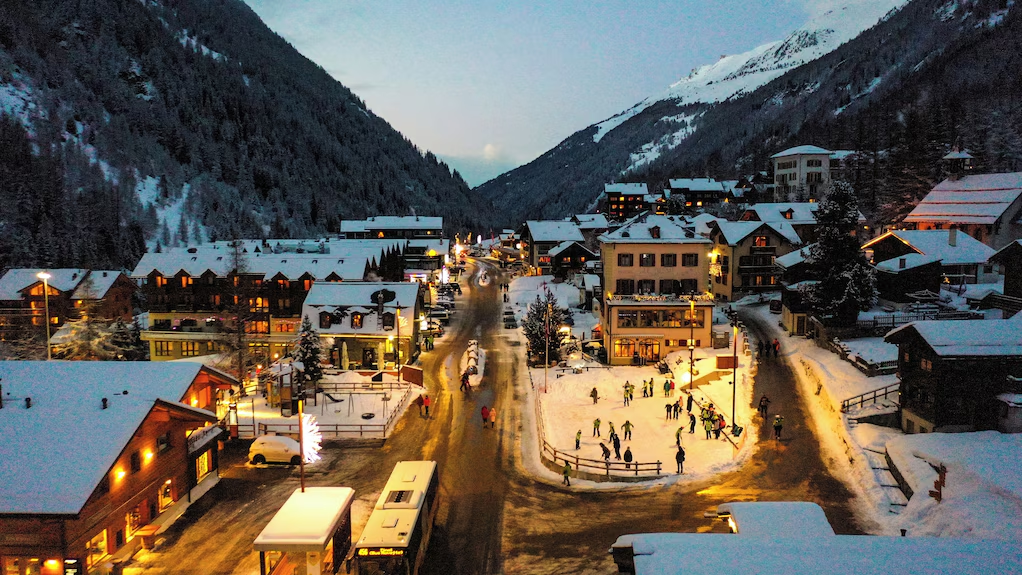
Chalet Cuckoo in Zinal, Val d’Anniviers, Valais. Photo courtesy of Expedia.
10. Zinal (Val d’Anniviers, Valais)
Why visit:
Zinal sits at the end of the Val d’Anniviers, surrounded by high peaks, old chalets, and some of the most impressive walking routes in Valais. It has the scenery of a major alpine destination, but the village itself feels smaller and less pressured than many better-known resorts.
In summer, Zinal is a strong base for hiking, especially for routes toward Grimentz, Sorebois, and the surrounding high valleys. In winter, it offers skiing without the same level of spectacle or crowds found in Switzerland’s larger resort towns.
How to get there:
Take the train to Sierre, then continue by PostBus via Vissoie to Zinal.
Tour Noir Note
Zinal works best when you let the valley shape the trip. Stay long enough to walk, take the lifts, visit nearby Grimentz, and feel the difference between the villages of the Val d’Anniviers.
Nearby / useful links:
- Grimentz
- Corne de Sorebois hike
- Val d’Anniviers hiking routes
- Zinal ski area
- Sierre and Vissoie connections
Final Thoughts
Switzerland’s quieter places are not always unknown. Often, they simply ask for a different pace.
Choose one or two regions rather than trying to cross the whole country at speed. Give yourself time for the train ride, the village walk, the lake path, the mountain road, or the meal that lasts longer than planned.
That is where these places begin to open up — not as boxes to check, but as parts of Switzerland worth spending time with.
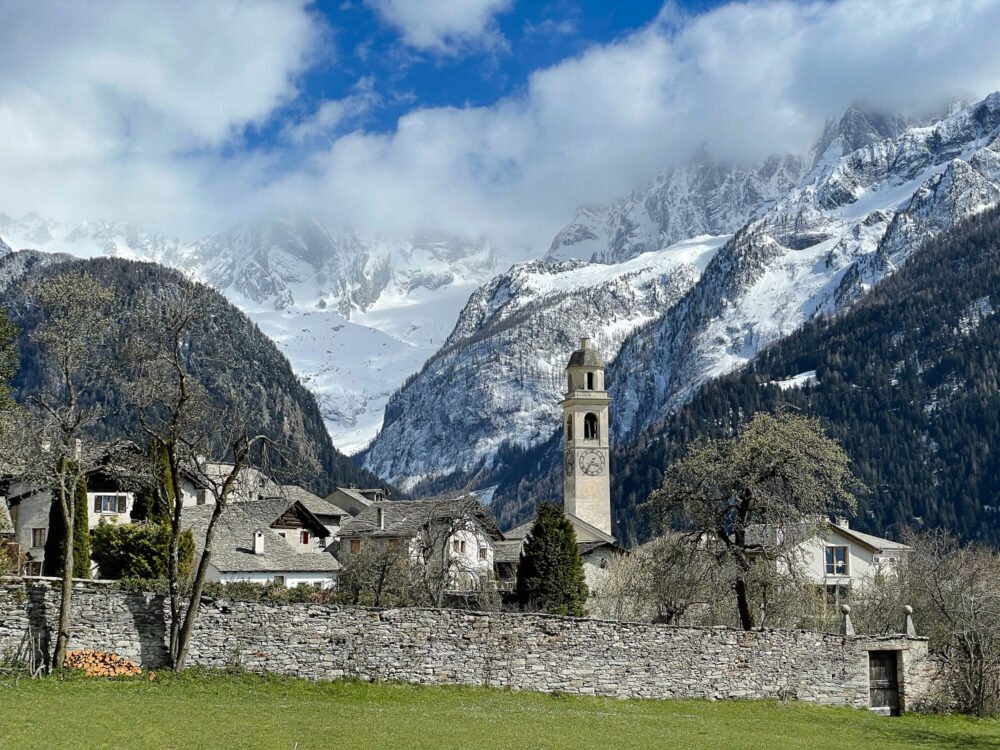
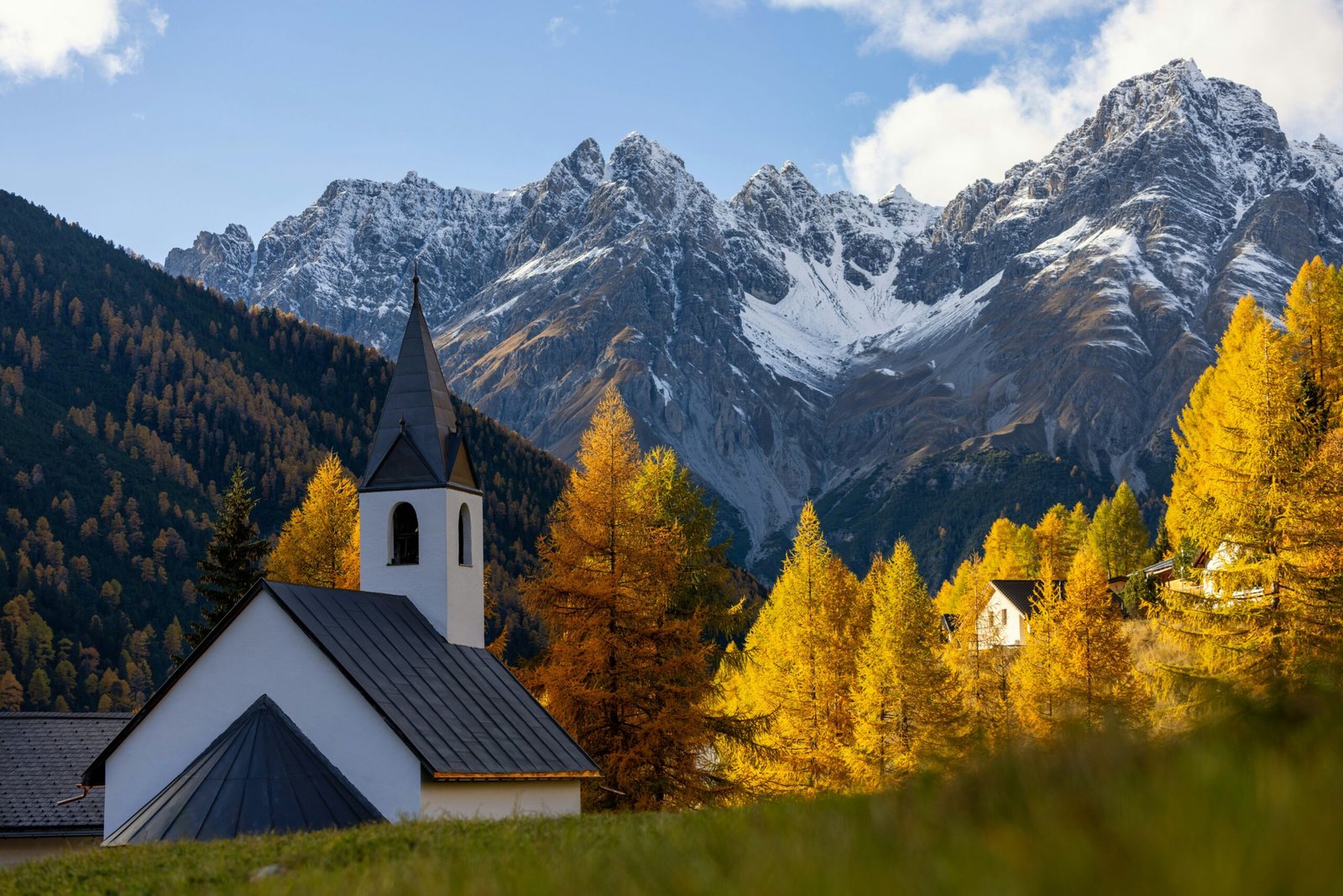
Village of Soglio in the Spring season – photo courtesy of ferienimbaudenkmal.ch.

Leave a Reply