

No products in the cart.
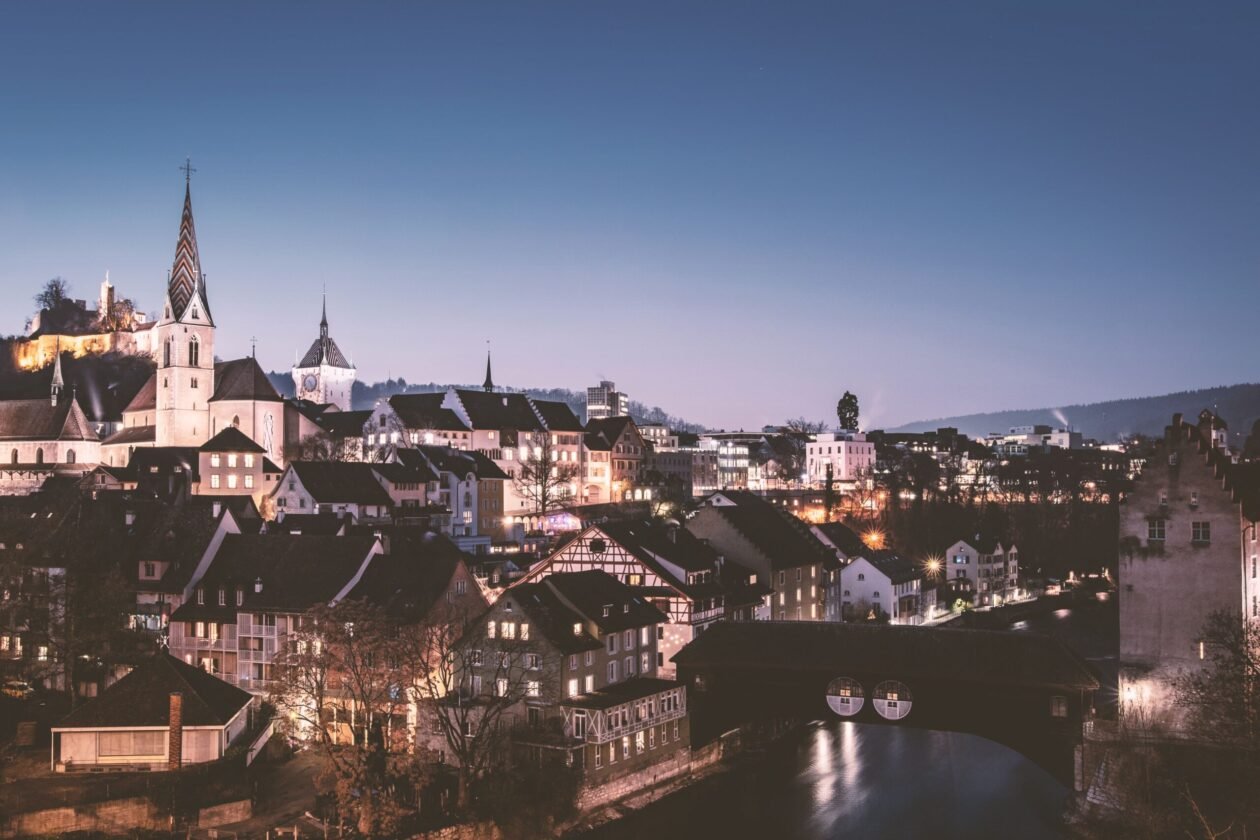
Baden from Zurich — Thermal Water, Old Stone, and the Scent of Sulphur
A slow side trip into Switzerland’s historic bathing culture
You smell Baden before you fully understand it.
Not everywhere, and not all at once. The scent appears most clearly near the old bathing quarter, around the public hot fountains where the thermal water reaches the open air: warm, mineral, faintly sulphurous. It is the kind of smell that makes you pause. This is not spa water made neutral and decorative. It has travelled through rock.
Baden is one of the easiest side trips from Zurich, with direct trains taking around 15 minutes. But it does not feel like a smaller version of the city. Zurich moves with polish and speed. Baden asks you to slow down — toward the Limmat, toward the old spa quarter, toward water that rises naturally from the ground at around 47°C.
A town built around hot water
Baden’s identity is geological.
In the spa district, thermal water rises from 18 springs and travels from depths of up to 1,200 metres. During that passage, it gathers minerals including sulphur, calcium, magnesium, iodine, and iron. The sulphur gives the water its distinctive smell, especially near the older public fountains and historical bathing sites.
At FORTYSEVEN, the modern thermal spa beside the Limmat, the scent is softer. The experience becomes more architectural: warm pools, glass, stone, steam, river air, and the sculptural presence of Mario Botta’s building.
The sulphur is not a flaw in the experience. It is the signature.
Why the mineral water matters
Thermal bathing is often described too loudly now: detox, miracle, transformation, cure. Baden deserves better language than that.
The real appeal is quieter.
Warm mineral water changes the body’s pace. Muscles soften. Joints feel less guarded. Circulation rises toward the skin. After a day of trains, city walking, screens, or weather, the body begins to feel less like something being managed and more like something being returned to.
This is why spa towns have mattered for centuries. People came not only to wash, but to recover.
Modern research on balneotherapy — bathing in thermal mineral water — supports some of this older intuition, though the language remains careful. Thermal water is not a medical cure, but it has been studied for its supportive effects on joint discomfort, stiffness, circulation, and some chronic skin conditions.
There is also a skin story here. Sulphur has long been associated with bathing traditions for rough, irritated, or inflamed skin. In thermal water, it works less like a cosmetic treatment and more like elemental contact: heat, minerals, and time.
For most visitors, the benefit is simpler. You leave the water warmer, looser, and quieter than when you entered.
Baden’s water is not neutral. It has character. That is the point.
The old town before the bath
A good Baden day trip should not begin at the spa door.
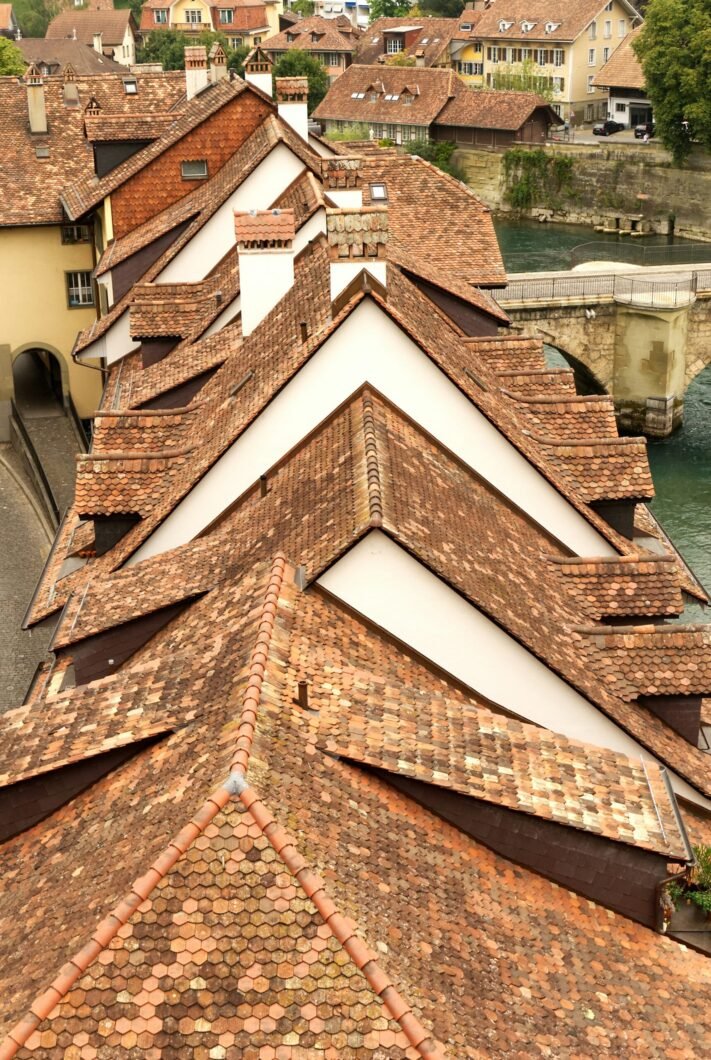
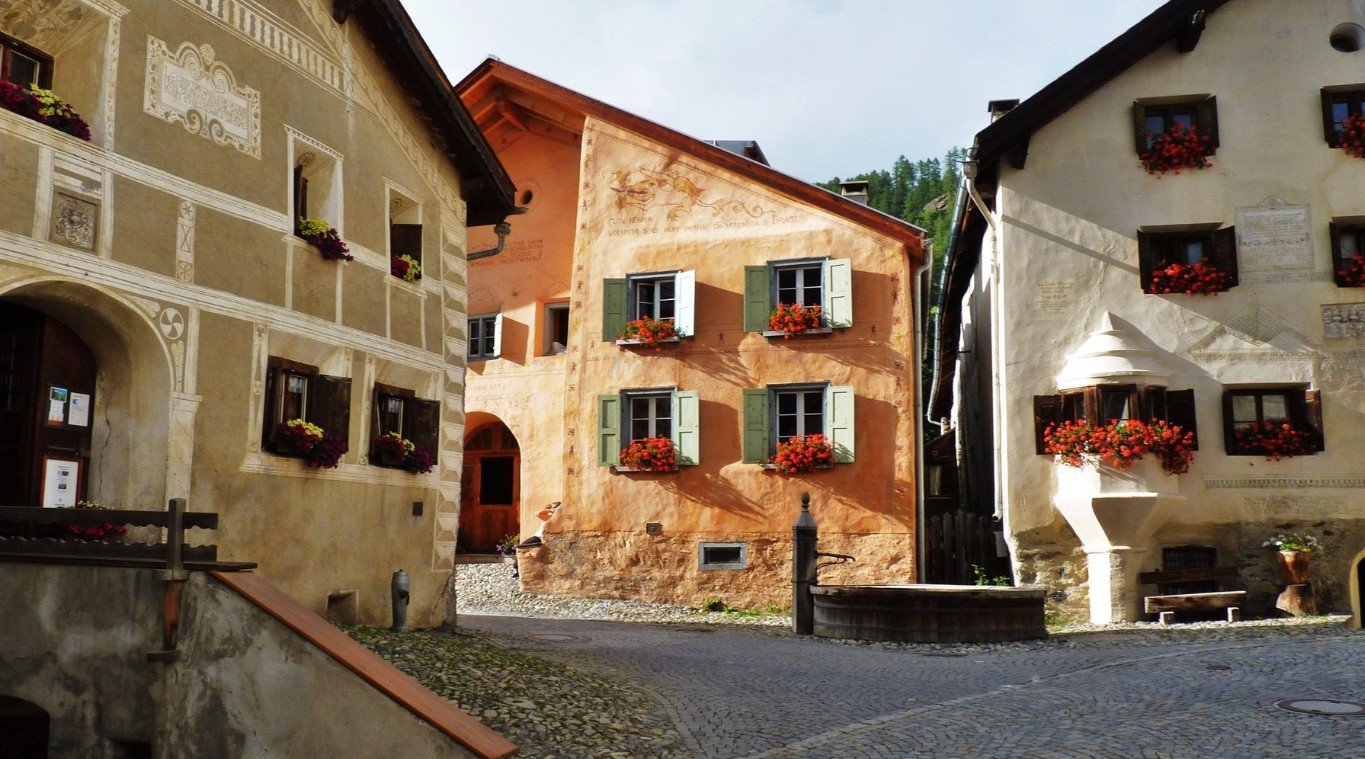
Start in the old town, where the streets are narrow, car-free, and scaled for walking rather than rushing. Baden has medieval houses, the City Tower, a covered wooden bridge, the Landvogteischloss, and the ruins of Stein Castle above the town.
This gives the visit texture. Baden is not only a place to bathe. It is a place to arrive slowly.
Walk through the old streets first. Climb, if you have the energy, to Stein Castle for a view over the town and the Limmat valley. Then descend toward the spa quarter.
The movement matters: stone first, then water.
Example itinerary: Baden as a side trip from Zurich
10:00 — Train from Zurich HB to Baden
Leave Zurich after the commuter rush. The journey is short, but the shift in atmosphere is immediate.
10:30 — Walk the old town
Begin with the City Tower, the narrow streets, the wooden bridge, and the feeling of a town that has been shaped by water for centuries.
Do not make this a checklist. Let the streets do some of the work.
11:30 — Climb to Stein Castle
Walk up to the castle ruins for a view over Baden, the Limmat, and the surrounding hills. It gives the day a little height before the water pulls you back down.
12:30 — Lunch or coffee
Choose somewhere simple in the old town. Baden works best when the day stays light: walk, eat, bathe, return.
13:30 — Enter the spa quarter
Walk toward the Limmat and the old bathing district. Around the public hot fountains, the thermal water feels more immediate: visible, touchable, mineral, faintly strange.
Notice the scent here. It is part of the encounter.
14:30 — Thermal bathing at FORTYSEVEN
FORTYSEVEN is the contemporary counterpoint to Baden’s older bathing history. The building sits beside the Limmat and uses Baden’s natural thermal water in indoor and outdoor pools.
Book ahead if you are visiting on a weekend or during colder months. Bring a swimsuit and leave jewellery, especially silver, in your locker.
17:00 — Walk along the Limmat
After the bath, do not rush back to the station immediately. Walk slowly along the river, cross toward Ennetbaden, or sit somewhere for a drink.
This is the best part of the day: warm skin, cool air, heavy limbs, light mind.
18:00 — Return to Zurich
The return is short, but the contrast is satisfying. Baden gives you the rare feeling of having gone somewhere without needing to go far.
Field Notes
Will the baths smell of sulphur?
Yes, slightly. You may notice it most around the public thermal fountains and the old bathing quarter. Inside FORTYSEVEN, the scent is usually softer and quickly becomes background.
Is the smell unpleasant?
Not exactly. It is earthy and mineral, sometimes compared to eggs, but in Baden it feels more like a sign of origin than something dirty. The water smells because it has character.
Should I remove jewellery?
Yes. Leave silver jewellery in your locker. Sulphur can tarnish silver and turn it dark.
Is thermal bathing healthy?
It can be supportive for relaxation, stiffness, tired muscles, and general recovery. Thermal mineral bathing has been studied for joint discomfort, circulation, and some chronic skin conditions, but it should not be treated as a cure or replacement for medical care.
Best time to go
Weekdays are quieter than weekends. Late morning into afternoon works well if you want to combine old town, lunch, and bathing without making the day feel packed.
Closing
Baden is not spectacular in the usual Swiss travel sense. It does not rely on glaciers, peaks, or postcard drama. Its appeal is lower, warmer, more internal.
It is a town of mineral water and old stone, of steam rising beside the Limmat, of streets that lead downward toward a smell you may not expect but will probably remember.
The sulphur is part of the invitation.
Not everything in Switzerland needs to be polished to be beautiful. Some places are clean because they are precise. Baden is different. Its water keeps arriving — warm, mineral, ancient, and slightly strange.
Leave a Reply